Hello and Welcome!
We are delighted to have you join us. Whether you're a seasoned professional, an enthusiastic amateur, or someone who appreciates a captivating image, this blog is crafted with you in mind.
We hope our blog inspires you, provides new and fresh perspectives, ignites your creativity, and fuels your passion for the extraordinary world of photography. So grab your camera, and open your eyes to the beauty that surrounds us! Let's embark on a visual adventure together.
The Hidden Ingredients of Better Photography
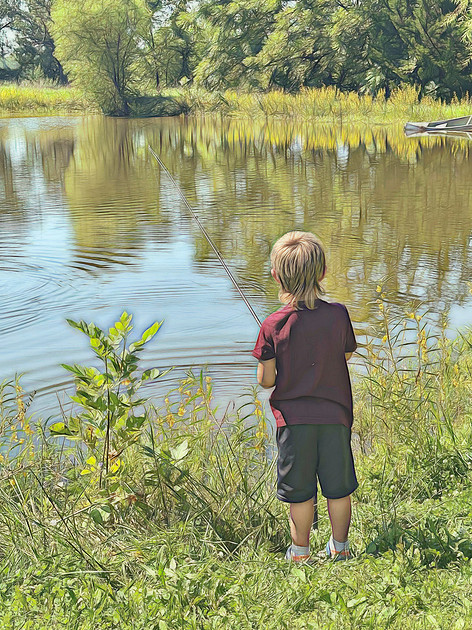
 Photography is more than just pressing a button—it’s an art form that blends technical knowledge with personal expression. While mastering your camera settings and lighting techniques is important, what truly sets apart great photographers from good ones often comes down to three qualities: drive, vision, and creativity. Together, these traits can elevate your work from snapshots to stories that resonate.
Drive is the fuel behind every photographer’s journey. It’s what pushes you to wake up early for the golden hour, to stay late after a wedding shoot ensuring every detail is captured, and to spend countless hours reviewing and editing your work. Drive keeps you learning new techniques, studying other artists, and pushing yourself beyond your comfort zone. Without it, even the most advanced gear or technical knowledge won’t take you far. With it, you’ll constantly find ways to improve, refine your style, and build a portfolio that reflects your dedication.
Vision is what allows you to look at a scene and imagine more than what’s in front of you. It’s the ability to recognize moments of beauty in ordinary places or to anticipate an expression before it happens. Vision means having clarity about the stories you want to tell through your photography. Whether you lean toward documentary-style storytelling, fine art portraits, or landscape photography, vision gives your work direction and purpose. It’s the thread that ties your images together into a body of work that feels uniquely yours.
Creativity is where your personal voice comes alive. It’s not about following trends but about experimenting—playing with angles, light, and composition until you discover something fresh. Creativity might mean blending traditional techniques with digital tools, or even bending the "rules" of photography to craft an image that grabs attention. The best photographers aren’t afraid to take risks; they allow curiosity and imagination to guide them toward unexpected results. Creativity ensures your photos don’t just document reality but interpret it in ways that inspire emotion.
When drive, vision, and creativity converge, they form a powerful synergy. Drive keeps you moving, vision gives you direction, and creativity ensures your journey never grows stale. Together, they transform photography into more than a technical pursuit—it becomes an expression of who you are and how you see the world.
So, the next time you pick up your camera, remember: it’s not just about the lens or the settings. It’s about the inner qualities you bring to each shot. Nurture your drive, sharpen your vision, and embrace your creativity—your photography will thank you.
Shoot What You Love - Keep Your Passion Alive
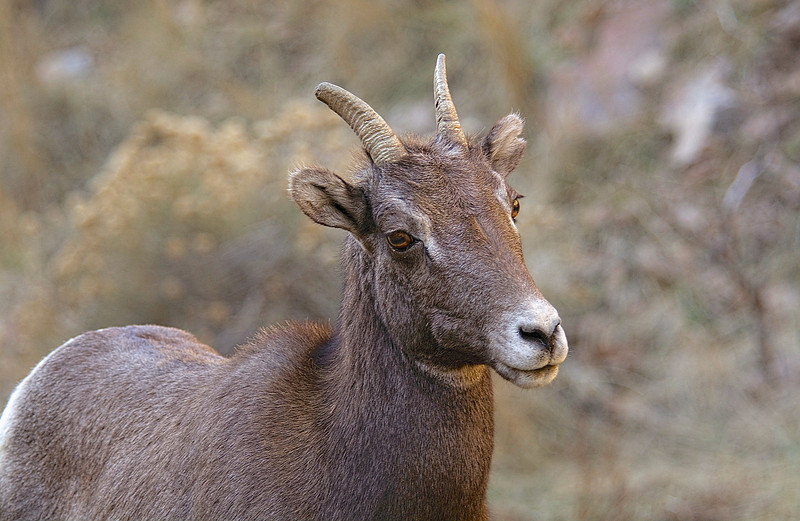 In the rush of deadlines, client demands, and social media expectations, it's easy for photographers to forget why they picked up a camera in the first place. The passion, the wonder, the joy of capturing something that matters to you—it can all get buried under the weight of “content creation” and “delivering value.” But if you want to stay creatively alive, there's one thing you can’t afford to neglect: always make time to shoot what you love.
It might be gritty street photography, quiet landscapes, your child’s silly expressions, or abstract shadows on a wall. Whatever it is, it feeds your soul. It reminds you that photography isn’t just a service—it's your voice, your language, your release. The moment you stop shooting for yourself is the moment the camera starts feeling heavier in your hands. Your passion dulls. Your vision narrows. And eventually, burnout creeps in.
Shooting what you love doesn't mean abandoning your responsibilities or clients. It means carving out space, even if it’s only 10 minutes a week, to reconnect with your why. It’s about creating without pressure, without metrics, without the need to impress anyone but yourself.
Sometimes the most meaningful photos are the ones no one ever sees. A foggy morning on your street. The way the light hits your coffee cup. A candid moment at home. These aren't “portfolio” shots—but they keep your creative heart beating.
So if your camera has started to feel like a job rather than a joy, here’s your reminder: go chase that light, that moment, that feeling that you care about. Make time for it. Fight for it. Because in the end, shooting what you love isn’t optional—it’s essential.
Your best work will always come from that place. Not from trends. Not from likes. But from the fire inside you that started it all.
Keep that fire alive.
Photography as Therapy - Finding Solace Through the Lens
 In a world that rarely slows down, finding peace can feel like chasing the horizon—just out of reach. Yet, for many, photography offers a surprising and deeply personal path to emotional well-being. More than a creative outlet, photography has become a therapeutic practice—a way to process emotions, regain focus, and reconnect with the present moment.
Photography changes how we see the world. A walk through a familiar neighborhood becomes an exploration of textures, light, and fleeting moments. The ordinary becomes interesting, even beautiful. This shift in perception mirrors the therapeutic journey—learning to reframe, to notice, to be present.
For those battling anxiety, depression, or grief, the act of looking through a lens can create a buffer between the self and overwhelming emotion. It offers a sense of control—an ability to focus (literally and metaphorically) on something outside of internal turmoil. Each image captured becomes a milestone, a snapshot not just of a scene but of a moment survived.
Sometimes, words fail. Photography steps in when emotions are too tangled for language. A photograph can say “I’m hurting,” “I’m healing,” or “I see beauty again,” without uttering a single syllable. In therapeutic settings, photo journaling is often used as a non-verbal way to explore trauma and recovery. Even outside of therapy, sharing images on social platforms or in private albums can help individuals feel seen and understood.
Photography encourages mindfulness, a proven technique in many therapeutic disciplines. Whether it's waiting patiently for the right light, composing a portrait, or experimenting with shadows, photography invites you to slow down. It demands attention—not to screens or noise—but to your surroundings, your breath, and your instincts.
That mindfulness spills over into daily life. You begin to notice the way morning light hits your kitchen table, or how rain draws patterns on the window. Photography trains you to find beauty in the now.
Photography can also be a bridge to others. Joining local clubs, online groups, or even sharing images with friends and family creates a sense of connection. You're not just documenting your perspective—you’re inviting others into your world. For those feeling isolated, this can be deeply healing.
One of the most beautiful things about photography as therapy is its accessibility. You don’t need a $2,000 camera to start. A smartphone is enough. What matters is your willingness to look, to engage, to create. Whether you shoot landscapes, street scenes, or self-portraits, you’re engaging in a form of self-care that costs little but can offer so much.
At its heart, photography is about seeing. And in seeing the world through a lens, many find they begin to see themselves more clearly too. It’s not about technical perfection—it’s about presence, expression, and healing. So the next time the world feels heavy, pick up your camera or phone. Step outside. And see what you find—not just through the lens, but within yourself.
More Than Light - Photography and Life's Moments
 At its core, photography is often defined as “the art of capturing light.” After all, every image is born from light interacting with a camera’s sensor or film, creating a record of what we see. But anyone who’s ever held a camera with care knows that photography is so much more than the technical process of freezing light onto a frame.
Photography is about capturing moments — those fleeting, unscripted flashes of life that often slip by unnoticed. A smile exchanged between friends, a child’s wide-eyed wonder, a quiet landscape drenched in golden dusk: these are the fragments of our stories that photography preserves.
When we look back at old photographs, we rarely think about the exposure settings or the quality of light alone. Instead, we remember how we felt in that moment. The birthday candles glowing in a darkened room. The spontaneous laughter during a family gathering. The quiet strength in a loved one’s gaze. A photo becomes a portal to our past, allowing us to relive emotions, relationships, and milestones.
In a world that moves faster than ever, photography gives us the power to pause. It gives significance to ordinary scenes that, when viewed through a thoughtful lens, reveal the beauty woven into daily life. Even the simplest snapshot can carry profound meaning when it captures the essence of a moment that might otherwise fade from memory.
Great photographers — amateur or professional — understand this intuitively. They don’t just chase the perfect composition or the most dramatic lighting conditions; they seek connection, emotion, and authenticity. A technically perfect photo means little if it doesn’t convey a feeling. A slightly blurred candid can be more precious than the sharpest studio portrait if it preserves the joy of a genuine, unguarded moment.
So while photography is indeed about light, it is also about the way those illuminated moments enrich our lives. It helps us see the extraordinary in the ordinary, the beauty in imperfection, and the stories in small gestures.
Whether you photograph with a professional camera or simply your phone, remember: every click of the shutter is an opportunity to document not just what you see — but what you feel. In doing so, you’re not merely capturing light; you’re capturing life itself, and the memories that will illuminate your heart for years to come.
Is Perfection Stifling Creativity in Photography?
 Photography has long been described as both an art and a craft—a delicate balance of technical knowledge and creative vision. In the digital age, with accessible tools, tutorials, and gear that promise “perfect” images, many photographers find themselves chasing flawless focus, impeccable exposure, and clinical sharpness. But an important question emerges: Does this relentless pursuit of technical perfection actually stifle creativity and unique expression in photography?
It's easy to see why technical perfection holds such appeal. Modern cameras and editing software encourage us to minimize noise, maximize sharpness, and nail exposure in every shot. Online photography communities often reinforce this mindset by praising images that meet high technical standards while critiquing minor imperfections in others.
For beginners, mastering the technical side of photography is empowering—it provides a foundation upon which creative ideas can flourish. Knowing how to control light, composition, and camera settings is essential to translating vision into reality.
But what happens when technical mastery becomes the end goal rather than a means to an expressive end?
When every photographer strives for the same technically "perfect" image, a certain homogeneity can emerge. Images may be sharp, well-lit, and beautifully composed—but they can also begin to feel sterile or impersonal. The quirks, risks, and imperfections that often carry emotional weight and personality may be lost.
This is particularly evident on platforms like Instagram, where entire feeds can begin to look eerily similar: soft golden-hour portraits, razor-sharp landscapes, meticulously posed urban scenes. The technical quality is high, but the individuality sometimes feels absent.
Throughout photography’s history, many iconic photographers deliberately embraced imperfection as part of their creative expression. Think of the grainy, high-contrast work of Daido Moriyama, the spontaneous street photography of Garry Winogrand, or the experimental techniques of Man Ray.
Blur, noise, distortion, and unconventional compositions are not necessarily mistakes; they can evoke mood, emotion, and narrative. A technically imperfect photo may better convey a fleeting moment, raw emotion, or dreamlike atmosphere than one that has been polished to perfection.
In fact, some photographers purposefully "break the rules" to stand out and say something unique. In these cases, imperfection becomes part of the visual language.
This isn’t to say that technical skill should be disregarded. On the contrary, understanding and mastering technique equips photographers to make informed, intentional creative choices. The problem arises when perfectionism overshadows expression—when the fear of breaking technical rules inhibits experimentation.
Creativity thrives on experimentation, risk-taking, and sometimes even failure. Unique expression often emerges when photographers allow themselves to work outside the strict confines of “perfect” technique, to explore what happens when motion blur, grain, odd framing, or unusual light is embraced rather than avoided.
So, does striving for technical perfection stifle creativity? It can—but it doesn’t have to.
The key lies in perspective: technical mastery should be a tool, not a tyrant. It’s what enables photographers to realize their creative vision—not what dictates it. The most compelling images often come from those willing to bend or break the rules to communicate something personal, emotional, or unique.
In photography, as in all art forms, perfection is subjective. Sometimes it’s the “imperfections” that make a photograph truly perfect.
