Hello and Welcome!
We are delighted to have you join us. Whether you're a seasoned professional, an enthusiastic amateur, or someone who appreciates a captivating image, this blog is crafted with you in mind.
We hope our blog inspires you, provides new and fresh perspectives, ignites your creativity, and fuels your passion for the extraordinary world of photography. So grab your camera, and open your eyes to the beauty that surrounds us! Let's embark on a visual adventure together.
How to Connect Your Art to Trends While Staying True to Your Unique Voice
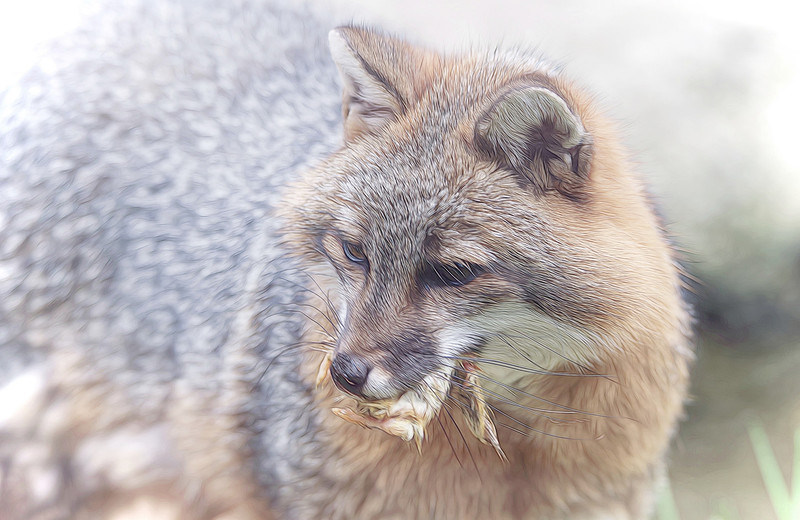
 As an artist, staying relevant and resonating with your audience can often feel like walking a tightrope. On one side lies the allure of trends—a chance to connect with contemporary culture and expand your reach. On the other, the integrity of your unique voice—the very essence that makes your art stand out. Balancing these two can be challenging but deeply rewarding when done thoughtfully. Here's how you can align your work with current trends while maintaining your artistic authenticity.
Understand the trends. Before you can incorporate trends into your work, you need to understand them. Spend time researching what’s capturing people’s attention in your niche and beyond. Social media platforms, art magazines, galleries, and online forums are great resources to identify emerging themes, styles, and conversations.
While observing trends, ask yourself the following - what about this trend resonates with people? Does it align with any themes or ideas I’m already exploring? Can I reinterpret this trend in a way that feels natural to my style?
Find the overlap between trends and your passion. Not every trend will suit your artistic style or vision, and that’s okay. The key is to find the intersection between what’s popular and what you’re genuinely passionate about. For example, if sustainability is trending but your art revolves around digital media, you could explore creating pieces that highlight environmental themes using eco-friendly digital processes. This approach ensures that your engagement with trends feels organic and authentic rather than forced.
Stay true to your signature style. Your unique voice is what draws people to your art, so it’s essential to preserve it, even when incorporating trending elements. Think of trends as spices that enhance a dish rather than overpowering it. For instance, if vibrant neon colors are trending but your palette leans toward muted tones, consider subtle accents of neon rather than overhauling your entire color scheme.
Experiment and innovate. Trends can be an excellent springboard for experimentation. Use them as an opportunity to push your boundaries and explore new techniques or perspectives. While doing so, remember that innovation often happens when artists blend the familiar with the unexpected. Your reinterpretation of a trend could become a trend in itself.
Engage with your audience. Your audience is a valuable source of inspiration and feedback. Share your process and thoughts about trends on social media or through blogs. Engaging in conversations about how you’re integrating trends into your work can deepen your connection with your followers and provide insights into what resonates with them.
Embrace selectivity. You don’t have to chase every trend. In fact, doing so can dilute your artistic identity. Instead, be selective and intentional about the trends you incorporate. Focus on those that genuinely excite you or align with your long-term artistic goals.
Reflect and adapt. Artistic growth is a continuous process. Take time to reflect on how well your work aligns with current trends and your unique voice. If something doesn’t feel right, don’t be afraid to pivot. Trends come and go, but your authentic voice is timeless.
Connecting your art to trends while staying true to your unique voice is about balance. By understanding trends, finding the overlap with your passion, and staying selective, you can create work that feels both timely and authentic. Remember, the goal is not to follow trends blindly but to use them as tools to amplify your vision and make a meaningful impact. The world doesn’t need more of the same; it needs your unique perspective—rooted in the now yet timeless in its authenticity.
Why Your Art Isn’t Resonating with Buyers — and How to Fix It
 As an artist, you pour your heart and soul into your work, but when it comes to selling, sometimes it feels like your art just doesn’t connect with buyers. This can be frustrating and disheartening, especially when you’re putting so much effort into creating. The good news is that many of the barriers preventing your art from resonating with buyers are fixable. Let’s explore common mistakes artists make and how to address them.
Buyers often seek an emotional connection or story behind the art they purchase. If your portfolio lacks cohesion, it may confuse potential buyers. They want to see a clear theme, style, or identity that defines your work. Take time to define your artistic voice. What message or feeling do you want to convey? Curate your portfolio to reflect a consistent theme or style. This doesn’t mean you can’t experiment, but having a clear identity helps buyers understand your work and connect with it on a deeper level.
Some artists create solely for themselves, which is a valid choice but can limit marketability. If your goal is to sell your work, you need to consider what resonates with your audience. Research your target audience. Who are they? What are their interests? What kind of art do they value? Use this insight to tailor your work or marketing approach without compromising your creativity. You don’t need to pander, but a little alignment with buyer preferences can go a long way.
Even stunning art can fail to sell if it’s not presented professionally. Low-quality photos, poorly written descriptions, or inconsistent branding can turn buyers away. Invest in high-quality photos or scans of your work. Pay attention to lighting, angles, and resolution. Write compelling descriptions that tell the story of your art, including the inspiration behind it and the techniques used. Ensure your website, social media, and any printed materials reflect a polished, cohesive brand.
Pricing art is tricky, and many artists struggle to find the right balance. Overpricing can alienate buyers, while underpricing can devalue your work. Research comparable artists in your niche to gauge pricing trends. Factor in your time, materials, and expertise. Be confident in the value of your work, but also realistic about what buyers are willing to pay. Transparency about your pricing process can also help build trust with potential buyers.
Art is personal, and buyers often want to feel a connection with the artist. If you’re not engaging with your audience, you’re missing opportunities to build these connections. Be approachable and authentic. Engage with your audience through social media, email newsletters, or in-person events. Share your creative process, behind-the-scenes moments, or stories about your journey as an artist. Respond to comments and messages to build meaningful relationships.
Relying solely on organic reach or word-of-mouth can limit your exposure. Many artists overlook the power of marketing tools to expand their audience. Learn the basics of online marketing. Utilize social media ads, email campaigns, or art platforms like Etsy, Saatchi Art, or Artfinder. Consider collaborating with influencers or galleries to amplify your reach. Regularly track your efforts to see what works best for your art.
Art sales take time and persistence. Many artists become discouraged after a few setbacks and stop trying to sell their work. Keep going. Every artist faces rejection, but persistence often separates successful artists from those who give up. Reassess your strategies, learn from your mistakes, and adapt. Stay passionate and committed to your craft.
By addressing these common mistakes, you can create art that resonates more deeply with buyers and build a sustainable career as an artist. Remember, success doesn’t happen overnight, but with consistency and effort, you can connect your creations with the people who will cherish them.
The Art of Consistency and Patience in Photography
 In an age where instant gratification often takes center stage, photography stands as a quiet testament to the value of consistency and patience. Mastering this art form requires more than just a good camera and an eye for composition; it demands dedication, perseverance, and the willingness to embrace a process that unfolds over time.
Consistency in photography doesn’t mean taking the same picture over and over. Rather, it involves developing a cohesive style, refining your techniques, and continuously practicing your craft. It’s about showing up, camera in hand, even when inspiration feels fleeting.
Consistency matters. The more you practice, the more you understand your equipment, light, and settings. Repetition allows you to refine your technical skills and push creative boundaries. A consistent approach helps you build a recognizable style, setting you apart in a crowded field. Regular practice provides a clear record of your progress. Looking back at your earlier work can highlight how far you’ve come and reveal areas for further improvement.
Some of the most iconic photographs in history required waiting—for the perfect light, the right expression, or a fleeting moment. Patience allows photographers to truly observe and immerse themselves in their surroundings, ensuring that each shot tells a story. Rushing a shot often means missing the ideal moment. Patience helps you capture the essence of a scene, whether it’s a golden-hour landscape or an unpredictable street moment. Waiting and observing can reveal subtle details or patterns that add depth and interest to your photos. For portrait and wildlife photographers, patience is key to building trust and waiting for genuine, unguarded moments.
Set goals. Define what you want to achieve with your photography, whether it’s mastering a new technique, building a portfolio, or capturing a specific subject. Create a routine. Dedicate regular time to practice, even if it’s just a few hours a week. The key is to make photography a habit. Embrace Mistakes. Not every shot will be perfect, and that’s okay. Each misstep is an opportunity to learn and grow. Slow down. Take your time with each shot. Experiment with angles, compositions, and settings until you find what works. Be present. Focus on the moment. Allow yourself to truly experience your environment without distraction.
Consistency and patience may not provide instant results, but their rewards are profound. Over time, these qualities transform your photography, helping you create work that is not only technically excellent but also deeply personal and meaningful. Remember, every master photographer started somewhere. By showing up, practicing regularly, and embracing the art of waiting, you’ll build a body of work that reflects your unique vision and dedication.
Photography is more than just capturing images; it’s about storytelling, connection, and the pursuit of beauty. And like any worthwhile pursuit, it flourishes with time, care, and a steady commitment to growth.
Setting Goals for a New Year - A Photographer's Perspective
The new year is a time for reflection and renewal. For photographers, it’s an opportunity to assess where you’ve been, where you’re headed, and how you can elevate your craft. Setting meaningful and achievable goals is key to personal and professional growth. Here’s a look at some goals photographers might set for themselves to make the year ahead creatively fulfilling and successful.
One of the most rewarding goals for any photographer is to challenge your artistic boundaries. This could mean exploring new genres, such as street photography, macro, or astrophotography, if they’re outside your comfort zone. Alternatively, it could involve experimenting with different lighting techniques, shooting styles, or post-processing methods to refine your unique voice. Set specific mini-goals, like shooting one black-and-white series every month or dedicating time to study the work of renowned photographers.
Your portfolio is your calling card. The new year is a perfect time to assess whether it reflects your current skills and artistic vision. If your portfolio feels outdated, plan to refresh it with images that showcase your growth and versatility. Focus on creating a cohesive body of work that tells a compelling story about who you are as a photographer. Dedicate time each quarter to review and update your portfolio. Seek constructive feedback from peers or mentors to ensure it’s sharp and engaging.
Photography is a constantly evolving art form. Whether it’s learning to shoot with a drone, diving into advanced editing software, or understanding the nuances of film photography, committing to mastering a new skill can open up exciting opportunities. Choose one skill at a time and set milestones to track your progress. Online courses, workshops, or local meetups can provide structured learning environments.
For many photographers, the backend processes like editing, file organization, and client communication can feel overwhelming. This year, aim to establish or refine a workflow that saves time and reduces stress. Invest in tools that make processes like photo backup, culling, and delivery seamless. Set up a standardized system for file naming, editing, and storage. Automate repetitive tasks where possible to focus more on creativity.
Photography doesn’t have to be a solitary pursuit. Building connections within the photography community can inspire and motivate you. Attend workshops, join local photo walks, or participate in online groups where you can share knowledge and experiences. Set a goal to collaborate with other photographers or artists on at least one project this year.
A personal project allows you to explore your passions and tell stories that resonate deeply with you. Unlike client work, personal projects give you complete creative control and can be incredibly fulfilling. Start small. Choose a theme or subject that excites you and commit to working on it consistently throughout the year. This could culminate in a photo book, an exhibit, or an online showcase.
For photographers looking to turn their passion into a business or grow an existing one, setting financial goals is crucial. This might include finding new clients, selling prints, or offering educational services like workshops or one-on-one coaching. Create a business plan with clear revenue targets. Use social media, SEO, and networking to promote your services and products effectively.
Lastly, remember that photography is as much about mental and physical well-being as it is about technical skills. Long shoots, editing marathons, and the pressure to constantly create can be exhausting. Prioritize self-care to keep your passion sustainable. Set boundaries for work hours, take breaks during shoots, and make time for activities that recharge you creatively and emotionally.
Setting goals as a photographer is about balancing ambition with practicality. Reflect on what you want to achieve this year and create a roadmap to get there. By setting clear, actionable goals, you’ll not only grow as a photographer but also find more joy and fulfillment in your creative journey.
Here’s to a year of capturing meaningful moments, honing your craft, and achieving your dreams—one frame at a time.
Best Wishes for the New Year - Embracing New Beginnings
 As we bid farewell to another year and look ahead, there’s a quiet excitement that comes with the promise of a new chapter. The turning of the calendar isn’t just about the passage of time—it’s about the opportunity to start fresh, to reflect on our past journeys, and to set our sights on new horizons.
The past year may have brought its own set of challenges—some we saw coming, and others that caught us by surprise. But with each difficulty, we grew. We learned more about ourselves, our resilience, and the power of perseverance. And now, as we stand at the threshold of the new year, it’s time to embrace all the potential that lies before us.
To those who may feel uncertain, know that it’s okay to take things one step at a time. Not every goal needs to be grand, and not every dream needs to be fully realized right away. Sometimes, it’s the small, consistent efforts that lead to the most meaningful changes. Whether it’s focusing on your health, nurturing relationships, or learning something new, each step forward is worth celebrating.
For others, the new year may feel like a time of reinvention—an opportunity to go after what you’ve always wanted but perhaps never had the courage to pursue. It’s a time to release the fear of failure and trust in your own strength. Believe in the possibilities, because sometimes the biggest reward comes from simply taking the leap.
May this year bring with it moments of joy, clarity, and gratitude. May you find peace in the present and hope for the future. Surround yourself with people who lift you up, and take the time to nurture your passions, however big or small they may be. As you move forward, remember that every new day is a chance to create something beautiful, both in your own life and in the lives of those around you.
So here’s to the new year—filled with opportunities, growth, and moments that make us smile. Whatever this year holds, let’s embrace it with open hearts and the unwavering belief that we are capable of greatness.
Best wishes for a wonderful, fulfilling year ahead!
