Hello and Welcome!
We are delighted to have you join us. Whether you're a seasoned professional, an enthusiastic amateur, or someone who appreciates a captivating image, this blog is crafted with you in mind.
We hope our blog inspires you, provides new and fresh perspectives, ignites your creativity, and fuels your passion for the extraordinary world of photography. So grab your camera, and open your eyes to the beauty that surrounds us! Let's embark on a visual adventure together.
The Power of Post-Processing - Enhancing Your Photos with Editing Techniques
 Click here to view our Galleries
 Photography is a powerful art form that allows us to capture moments, express our creativity, and share stories through images. While capturing a great photograph is the first step, the true magic often happens during the post-processing stage. Post-processing refers to the editing techniques used to enhance and transform raw images into stunning visual masterpieces. In this blog post, we will explore the power of post-processing and how it can take your photography to new heights.
Unleash your creative potential! Post-processing offers a world of possibilities for unleashing your creative potential. With editing software like Adobe Lightroom or Photoshop, you can adjust exposure, contrast, saturation, and colors to create the desired mood and atmosphere in your images. You have the freedom to experiment with different styles and aesthetics, transforming a simple photo into a work of art that reflects your unique vision.
Even the most skilled photographers occasionally capture images with imperfections. It could be a slightly overexposed sky, an unwanted object in the frame, or an underexposed subject. Post-processing allows you to correct these flaws and salvage an otherwise great shot. Through techniques such as cropping, cloning, and retouching, you can remove distractions and focus the viewer's attention on the main subject.
Post-processing techniques can bring out the hidden details and enhance the dynamics of your photos. By adjusting the contrast and clarity, you can make textures pop and create a sense of depth in your images. Sharpening techniques can emphasize intricate details, making your subject appear more vivid and realistic. Additionally, tools like dodging and burning can help you selectively lighten or darken specific areas, adding dimension and drama to your photographs.
Colors play a crucial role in evoking emotions and setting the mood in a photograph. With post-processing, you have precise control over color correction and tonal adjustments. You can fine-tune the white balance, adjust the vibrancy of hues, or apply creative color grading to create a desired atmosphere. By carefully manipulating colors, you can make your images more vibrant, dramatic, or evoke a specific mood that aligns with your artistic intent.
Post-processing is where you can truly express your artistic style and create a unique signature look for your photographs. Whether you prefer a bright and airy aesthetic, a moody and dark ambiance, or a vintage-inspired feel, editing techniques enable you to achieve your desired visual representation. Consistently applying your editing style across your portfolio can help establish your brand as a photographer and make your work instantly recognizable.
Post-processing is an essential aspect of modern photography. It provides photographers with a powerful toolkit to enhance, correct, and transform their images into captivating works of art. Through post-processing, you can unleash your creative potential, correct imperfections, enhance details, fine-tune colors, and develop a distinctive style. Remember, post-processing should be seen as a complement to your photographic skills, not a substitute. It allows you to fully realize your artistic vision and share it with the world, creating photographs that leave a lasting impact on viewers.
The Art of Wildlife Photography - Mastering Lighting and the Soulful Gaze
 Click here to view our Galleries
Wildlife photography is an exhilarating pursuit that allows us to document the breathtaking beauty and diversity of our natural world. The ability to capture stunning images of wildlife requires not only a keen eye for composition and technical proficiency, but also a deep understanding of lighting and the importance of capturing the eyes. Let’s look at the critical role of lighting in wildlife photography and discuss why capturing the essence of an animal's gaze can elevate a photograph from good to extraordinary.
Click here to view our Galleries
Wildlife photography is an exhilarating pursuit that allows us to document the breathtaking beauty and diversity of our natural world. The ability to capture stunning images of wildlife requires not only a keen eye for composition and technical proficiency, but also a deep understanding of lighting and the importance of capturing the eyes. Let’s look at the critical role of lighting in wildlife photography and discuss why capturing the essence of an animal's gaze can elevate a photograph from good to extraordinary.
Lighting is the foundation of any photograph, and it plays a pivotal role in wildlife photography. Understanding and harnessing light can transform an ordinary image into a visually captivating masterpiece. Here are a few key considerations to keep in mind when working with lighting in wildlife photography.
Plan your shoot during the golden hours, which occur during the first and last hours of sunlight in a day, provide soft, warm, and directional light. The low angle of the sun creates long shadows and adds depth and dimension to your subjects. Take advantage of these magical hours to capture wildlife in a captivating and flattering light.
Utilize directional light. Light coming from the side can add depth, texture, and dimension to your subjects. It enhances the natural contours of an animal's body, creating a three-dimensional effect. Experiment with different angles and positions to find the most flattering light that highlights the subject's features.
Attempt to backlight. Backlighting occurs when the main source of light is behind the subject. It can create a stunning rim of light around the edges, giving the subject a majestic glow. Backlighting is particularly effective when photographing animals with translucent features like feathers or fur, adding an ethereal quality to the image.
Most importantly, avoid the harsh midday sun. The harsh and direct sunlight of midday can cast unflattering shadows and result in blown-out highlights. During this time, animals often seek shade, making it challenging to find them. Instead, use this time for scouting locations or focusing on other aspects of photography.
While the eyes are often referred to as the windows to the soul, this holds true for wildlife photography as well. The eyes of an animal can evoke powerful emotions, provide a connection, and tell a story within a photograph. Here's why capturing the eyes is of paramount importance.
The eyes of an animal have an emotional impact and can convey a wide range of emotions, from curiosity and playfulness to fear and intensity. By focusing on the eyes, you can evoke a strong emotional response in the viewer, fostering a deeper connection with the subject and the photograph. The eyes of an animal tell a story. They can reveal the challenges they've faced, the environment they inhabit, and even the relationships they share. Capturing the eyes allows you to capture the essence and personality of the animal, creating a narrative within the frame.
Ensure that the eyes are sharp and in focus is crucial in wildlife photography. The eyes act as the focal point of the image, drawing the viewer's attention and creating a sense of intimacy. Use autofocus or manual focus techniques to achieve crisp and detailed eyes, even in challenging conditions. The eyes establish a connection between the viewer and the animal, and when the animal's gaze is directed towards the camera, it creates a sense of engagement and interaction, allowing the viewer to feel intimately connected to the subject. This connection fosters a deeper appreciation for the wildlife captured in the photograph.
Mastering the art of wildlife photography goes beyond technical know-how and equipment. Understanding lighting techniques and the significance of capturing the eyes can elevate your images from mere snapshots to powerful visual narratives. With the right lighting techniques, you can bring out the beauty, depth, and emotion in your wildlife subjects. Remember, every photograph you take has the potential to inspire others and advocate for the conservation of our planet's incredible biodiversity. Let the magic of light and the soulful gaze of wildlife guide your photographic journey.
Capturing Moments: The Power of the Heart over the Perfect Camera
 Click here to view our Galleries
The desire of owning the latest camera gear can be overwhelming. Enthusiastic amateur photographers often find themselves contemplating the purchase of a new camera, with the belief that superior equipment will automatically result in stunning photographs. However, it's important to remember that great photos come from the heart, and the best camera is the one you use.
Click here to view our Galleries
The desire of owning the latest camera gear can be overwhelming. Enthusiastic amateur photographers often find themselves contemplating the purchase of a new camera, with the belief that superior equipment will automatically result in stunning photographs. However, it's important to remember that great photos come from the heart, and the best camera is the one you use.
We often fall into the trap of believing that owning the most advanced camera will instantly elevate our photography skills. While it's true that better equipment can offer improved technical capabilities, it is not the sole factor in capturing breathtaking images. The truth is, an exceptional photograph is a product of the photographer's artistic vision, creativity, and emotional connection to the subject.
Passion for photography is the driving force behind exceptional images. When you have a genuine love for capturing moments, you will find yourself seeking out opportunities to use your camera, regardless of its specifications. Passion fuels the desire to explore new perspectives, experiment with different techniques, and continuously improve your skills. It pushes you to take your camera out of its bag and embrace every photo opportunity that comes your way.
Before considering a new camera purchase, it's crucial to develop a solid foundation in the fundamentals of photography. Understanding concepts like composition, lighting, and exposure make a significant difference in the quality of your photographs. Mastering these techniques will help you produce captivating images, regardless of the camera you use.
Photography is an art form, and art is subjective. There are no definitive rules when it comes to creativity. Every photographer has a unique perspective and style that is expressed through their work. Rather than obsessing over the specifications and features of a camera, focus on cultivating your creative eye. Pay attention to the world around you, seek out interesting subjects, experiment with different angles and compositions, and let your artistic intuition guide you.
Great photographs tell stories. They evoke emotions, capture fleeting moments, and transport viewers to another time or place. The camera you choose should be capable of translating your vision into a tangible story. Whether it's a compact point-and-shoot, a mirrorless camera, or a professional DSLR, the key is to find a tool that allows you to communicate your narrative effectively. Each camera has its strengths and limitations, but it's the photographer's ability to harness those qualities that truly matters.
While owning a high-quality camera can be enticing, it's crucial to remember that great photos come from the heart and the best camera is the one you use. Investing in the latest equipment may provide technical advantages, but it cannot substitute passion, creativity, and a deep connection to your subject. Embrace your love for photography, nurture your creativity, and master the fundamental techniques. By doing so, you'll create exceptional photographs that resonate with others, regardless of the camera in your hands. So go out there, capture moments, and let your heart be the guiding force behind your photography journey.
A Lifeline of Compassion - The Importance of Wildlife Sanctuaries
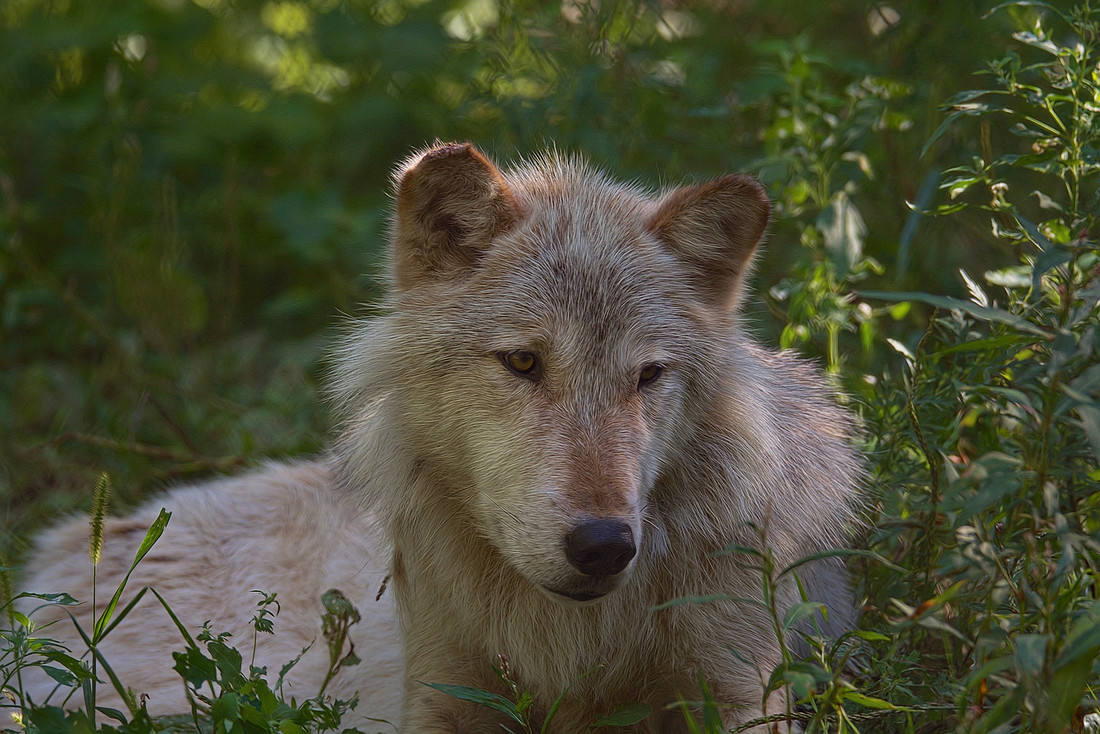 In a world where human activities continue to encroach upon natural habitats and animals face increasing threats, the role of animal sanctuaries becomes ever more critical. These sanctuaries serve as havens of hope and compassion for injured, abused, or orphaned animals, offering them a second chance at life. Let’s explore the significance of animal sanctuaries and their indispensable role in caring for vulnerable creatures.
Animal sanctuaries act as safe refuges for animals that have been traumatized by accidents, abuse, or separation from their families. Whether the result of human activity, such as vehicular collisions, illegal wildlife trade, or natural disasters, these creatures often find themselves in desperate need of help. Animal sanctuaries step in to provide them with immediate medical attention, rehabilitation, and a nurturing environment tailored to their specific needs.
One of the primary objectives of animal sanctuaries is to facilitate the rehabilitation and eventual release of the animals under their care. Skilled professionals work tirelessly to nurse the injured back to health and teach orphaned animals the necessary survival skills. These programs aim to restore animals to their natural habitats whenever possible, ensuring their successful reintegration into the wild.
Beyond their direct care for injured and orphaned animals, sanctuaries play a vital role in educating the public about the importance of wildlife conservation. By offering educational programs, guided tours, and interactive experiences, they raise awareness about the plight of various species and the need for habitat preservation. Through these efforts, sanctuaries inspire a sense of responsibility and promote a harmonious coexistence between humans and animals
Animal sanctuaries often contrast with traditional zoos, as their primary focus lies in animal welfare rather than entertainment. Unlike zoos, sanctuaries aim to replicate natural habitats and allow animals to live as closely as possible to their wild counterparts. This approach emphasizes respect for the animal's autonomy, fostering physical and psychological well-being. In doing so, sanctuaries set a powerful example, encouraging a shift towards more ethical and responsible practices in the broader field of animal care.
Animal sanctuaries stand as beacons of hope, compassion, and conservation in a world increasingly threatening to the delicate balance of nature. They serve as guardians for injured and orphaned animals, providing them with the care, rehabilitation, and the opportunity to thrive once again. By educating the public and fostering a sense of empathy, sanctuaries inspire a greater understanding of the interconnectedness of all life forms and the significance of preserving our planet's rich biological diversity.
It is imperative that we recognize the importance of animal sanctuaries and support their efforts to ensure a brighter future for all creatures, both great and small.
Photography and Fine Art Photography - A Comparative Exploration
 Click here to view our Galleries
In today's digital age, photography is an integral part of our lives, from smartphone snapshots to professional studio portraits. However, when we delve deeper into the realm of photography, we encounter a distinction - that between general photography and fine art photography. But what sets these two apart?
Click here to view our Galleries
In today's digital age, photography is an integral part of our lives, from smartphone snapshots to professional studio portraits. However, when we delve deeper into the realm of photography, we encounter a distinction - that between general photography and fine art photography. But what sets these two apart?
Photography, in its broadest sense, encompasses any situation where an image is captured using a camera. This category includes a wide range of genres such as portrait, landscape, wildlife, fashion, sports, and event photography. Each genre, in its own right, demands a unique set of skills and creativity from the photographer. They serve various purposes, including recording events, telling stories, selling products, or simply capturing beauty.
The essence of general photography lies in faithfully reproducing the subject matter, be it a person, an animal, a landscape, or an object. Although creativity plays a role in general photography, the emphasis is often on representing reality.
Fine art photography, on the other hand, is more than just capturing a likeness or a moment. It is about conveying a vision, an emotion, or a message. Fine art photographers use their camera as a tool, just as a painter uses a brush, to create an image that is a personal artistic expression. They take liberties to change or modify what is in front of them to match their creative vision.
In this context, the subject matter itself often becomes secondary to the artistic expression. The photographer may employ various techniques such as long exposures, motion blur, digital manipulation, unusual angles, or selective focus to create an image that evokes emotion.
The primary difference between general photography and fine art photography is the intention and the creative process. In general photography, the photographer's objective is to accurately represent the subject. In contrast, a fine art photographer seeks to use the medium to evoke an emotion, a personal vision or make a statement.
This doesn't mean that one is superior to the other; they are simply different ways to utilize the medium of photography. A stunning landscape photograph and a thought-provoking fine art image can both have immense aesthetic appeal, but they communicate in different ways and serve different purposes.
Photography as an art form is versatile and inclusive. While general photography strives to depict the world as it is, fine art photography ventures beyond, adding layers of interpretation and meaning to the image. They are different facets of the same discipline, each with its own set of rules, techniques, and creative approaches.
Regardless of the category, the power of photography lies in its ability to capture, communicate, and evoke. Whether you’re looking to record reality or express a subjective truth, understanding the spectrum of photography can help you better appreciate and harness the medium's potential.
