Hello and Welcome!
We are delighted to have you join us. Whether you're a seasoned professional, an enthusiastic amateur, or someone who appreciates a captivating image, this blog is crafted with you in mind.
We hope our blog inspires you, provides new and fresh perspectives, ignites your creativity, and fuels your passion for the extraordinary world of photography. So grab your camera, and open your eyes to the beauty that surrounds us! Let's embark on a visual adventure together.
Your Journey, Your Art
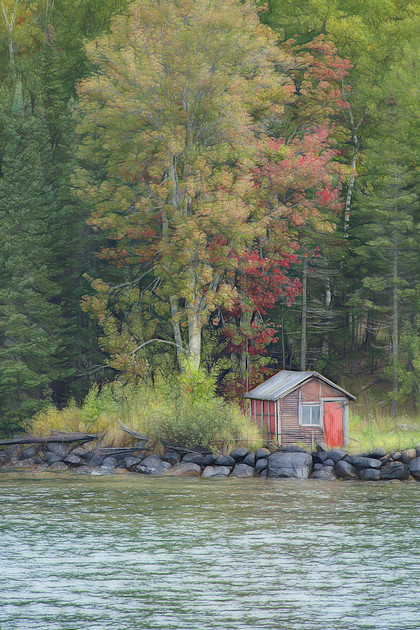
 Somewhere along the way, many of us picked up the idea that we need to measure our photography against someone else’s. We scroll through Instagram, browse gear forums, watch YouTube comparisons, and suddenly feel like our journey should look like theirs — same style, same gear, same pace of “improvement.”
But here’s the truth no one says loudly enough: your photography journey isn’t supposed to look like anyone else’s. And thank goodness for that — because the moment it does, you stop making art and start making replicas.
When you stop chasing someone else’s aesthetic, you start discovering your own. Maybe you love the perfectly clean, editorial look. Maybe you can’t resist gritty street frames. Or perhaps what excites you most is experimenting — blurring motion, shooting in strange light, breaking every “rule” in the book.
Whatever that pull is, that’s your artistic fingerprint. Copying what others do may teach you technique, but following what excites you is where you learn expression. Art isn’t about matching a standard — it’s about creating something that could only come from you.
Some photographers find their style quickly. Others wander for years. Some shoot every day, while others create during small pockets of inspiration. Your pace isn’t wrong just because it’s not someone else’s.
Photography is one of the rare crafts where even “slow progress” is meaningful. Every shot teaches you something — even the bad ones, even the blurred ones, even the ones you delete immediately. Especially those.
It’s easy to think you need the newest camera or sharpest lens to make “real” art. But gear is just a tool — your curiosity, perspective, and emotion are what create the image. A beginner with an entry-level camera and a unique viewpoint will always be more compelling than someone with a $6,000 setup and nothing to say.
Some of the most iconic photographs in history were taken with cameras that would be considered primitive today. Yet they endure because of the vision behind the lens, not the specs on the box.
The way you see light, the moments you choose to capture, the subjects that fascinate you, the mistakes you make and the breakthroughs you celebrate — that entire path is your art. It’s messy, nonlinear, and deeply personal.
And that’s the beauty of it.
Photography is not a race, a comparison, or a competition. It’s a lifelong relationship with creativity — one that grows, shifts, and surprises you.
So keep shooting. Keep learning. Keep exploring what feels true to you.
Because your photography journey isn’t supposed to look like anyone else’s — and that’s exactly why it matters.
You’re Not “Just” a Photographer — You’re a Memory Keeper
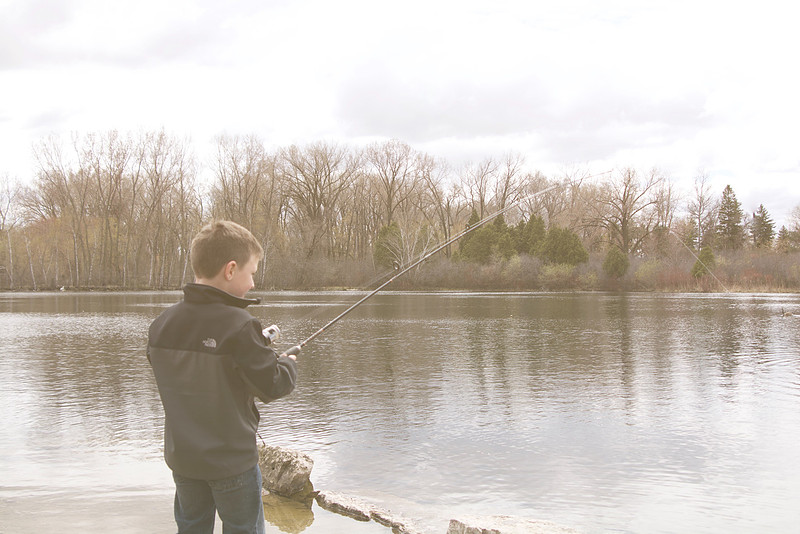 There's a phrase photographers hear far too often: "Oh, you're a photographer? That's nice." As if photography were a hobby. As if pointing a camera were simple. As if you weren't holding someone's story in your hands.
But the truth is this: you're not just a photographer. You're someone's memory keeper. Someone's favorite artist. Someone's reason to smile at a photo ten years from now.
Behind every shutter click is something far bigger than you. Bigger than your equipment, your settings, your editing style. You are capturing a moment that will eventually outlive the moment itself.
Think about the small flashes of emotion you freeze in time. A child's laugh. A nervous groom's first glance. A mother who tries to hide how emotional she is. A family that hasn't been in the same room for years.
Long after the day has passed, after the hair grays and the kids are grown, those memories won't feel as sharp as they once did. But your photos will still be there - clear, honest, and full of life.
Your work becomes the archive people turn to when they want to remember who they were, where they came from, and who they loved.
You're someone's favorite artist. You may not think of yourself this way, but someone does. Someone sees your work and feels something they can't quite put into words. Someone follows your posts, your galleries, your stories - and they see art, not just images. They see your ability to turn an expression into poetry and a moment into a masterpiece. Not everyone hangs gallery prints or goes to museums, but nearly everyone cherishes the art on their walls, on their desks, or in their albums - the art you created.
Ten years from now, someone will pull out an old photo you took. They'll laugh at a forgotten hairstyle, cry at a face they miss, or feel grateful that this tiny window into the past still exists. That photo might sit in a frame. Or in a wedding album. Or on a phone, saved and backed up a dozen times because it matters that much. And when they smile - softly, nostalgically, maybe even tearfully - that moment is because of you.
Photography is more than a profession. More than an art. It's preservation. It storytelling. It's emotional alchemy.
So the next time someone reduces what you do, remember the truth. You are creating heirlooms. You are shaping how people will remember the most important days of their lives.
You are not just a photographer.
You are a keeper of moments. A maker of joy. And someone's future smile starts with you.
Thankful Moments ~ Capturing the Heart of Thanksgiving
 Thanksgiving is more than a big meal—it’s a chance to slow down and appreciate the people, traditions, and moments that make life meaningful. Photography can help us hold onto that gratitude long after the holiday ends.
This year, focus on the moments that feel thankful, not just the ones that look perfect.
- A hug between family members seeing each other for the first time in months
- Hands preparing food together in the kitchen
- A quiet smile from someone lost in conversation
- Children playing, laughing, or helping set the table
Simple details—like an heirloom dish, candlelight on the dinner table, or a handwritten recipe card—can become powerful reminders of what we’re grateful for.
As you photograph the day, remember: it’s not about perfect lighting or polished poses. It’s about the people you love, the stories behind the traditions, and the gratitude woven into every small moment.
This Thanksgiving, let your photos reflect what truly matters—thankfulness, connection, and the memories we never want to forget.
Behind Every Great Photo
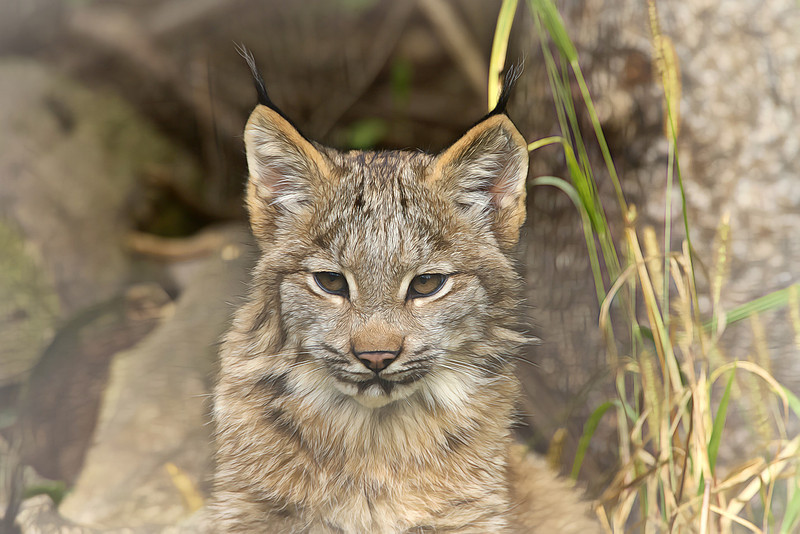 When you scroll through a photographer’s portfolio, every image looks effortless — the lighting perfect, the timing uncanny, the composition masterful. It’s easy to forget that behind every one of those breathtaking shots lie thousands of imperfect ones. Blurry, overexposed, poorly framed, mistimed — the ones no one sees.
Photography, like any creative pursuit, is built on patience and persistence. Every “bad” photo teaches something — how light behaves, how your camera reacts, how your instincts sharpen over time. The photographers we admire aren’t magicians; they’re patient craftsmen who have spent years refining their eye, experimenting, failing, and trying again.
The same truth applies beyond photography. Whether you’re learning a new skill, building a business, or trying to improve yourself, your early attempts will often feel messy and frustrating. That’s not failure — that’s growth in disguise. The messy middle is where mastery is built.
So the next time you feel discouraged comparing your work to someone else’s highlight reel, remember: you’re not seeing their pile of “bad” photos. You’re seeing the result of their persistence. Keep experimenting. Keep pressing the shutter. Keep going.
Great work doesn’t come from perfection — it comes from patience.
Before You Press the Shutter, Ask Yourself: What Am I Trying to Say?
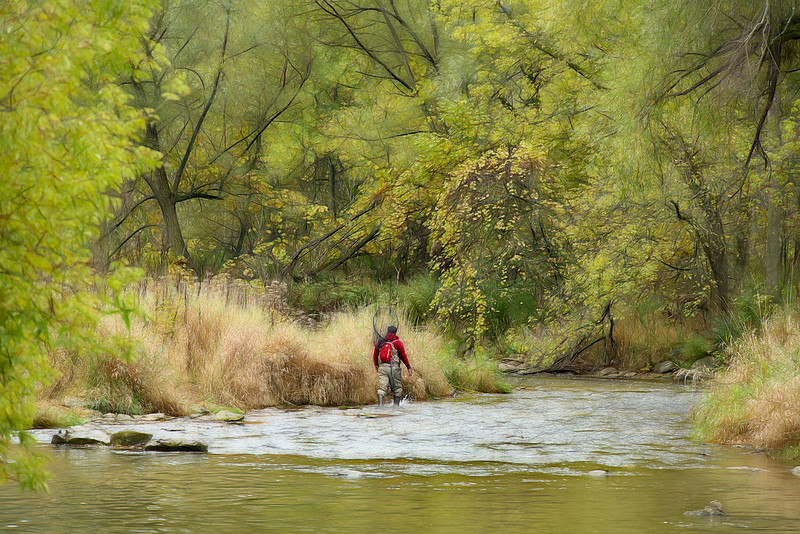 In the age of smartphones and social media, it's never been easier to snap and share a photo. But the ease and speed of photography today often come at a cost: intentionality. Before you press the shutter—whether you’re shooting a breathtaking landscape, a candid street moment, or your morning cup of coffee—pause for a moment and ask yourself one important question: What am I trying to say?
Just like a writer uses words or a painter uses brushstrokes, photographers use light, composition, and timing to tell stories. Every image has the potential to evoke emotion, make a statement, or capture a fleeting truth. The images that stay with us—the ones that linger in the mind long after we’ve scrolled past—are the ones where the photographer had something clear to say.
Photography isn’t just about what’s in front of your lens. It’s about meaning. It’s about why you chose that subject, that angle, that moment. And asking yourself what you’re trying to say gives your image a purpose beyond aesthetics.
It’s easy to take photos of things—people, places, events. But the most powerful images are often photos about things. The distinction is subtle but profound. Are you photographing a sunset just because it’s pretty? Or are you trying to say something about the calm of dusk, the end of a day, or the passage of time?
Before you click, take a second to reflect:
- What drew me to this scene?
- What do I feel right now, and how can that come through in the image?
- What do I want another person to feel when they see this photo?
These questions guide how you compose, frame, and expose your shot. They help transform a simple picture into a visual message.
Asking yourself what you're trying to say doesn't mean every photo needs to be a grand artistic statement. Even small moments have significance. The curiosity in a child’s face, the laughter between friends, the silent stillness of an early morning—these are powerful, human stories when we take the time to notice them.
Once you begin to shoot with intent, your photography becomes more meaningful not just to your audience, but to you as the creator. You begin to develop a voice. A vision. Your work stands out not just because it looks good—but because it connects.
In the end, this simple habit of pausing before the shutter can change your creative process. It invites mindfulness. It encourages you to slow down in a world that moves too fast. So next time you feel the urge to snap a photo, take a breath and ask yourself: What am I trying to communicate?
That moment of reflection is where your photography truly begins.
