Hello and Welcome!
We are delighted to have you join us. Whether you're a seasoned professional, an enthusiastic amateur, or someone who appreciates a captivating image, this blog is crafted with you in mind.
We hope our blog inspires you, provides new and fresh perspectives, ignites your creativity, and fuels your passion for the extraordinary world of photography. So grab your camera, and open your eyes to the beauty that surrounds us! Let's embark on a visual adventure together.
Being Creative Doesn’t Have to Be Complicated
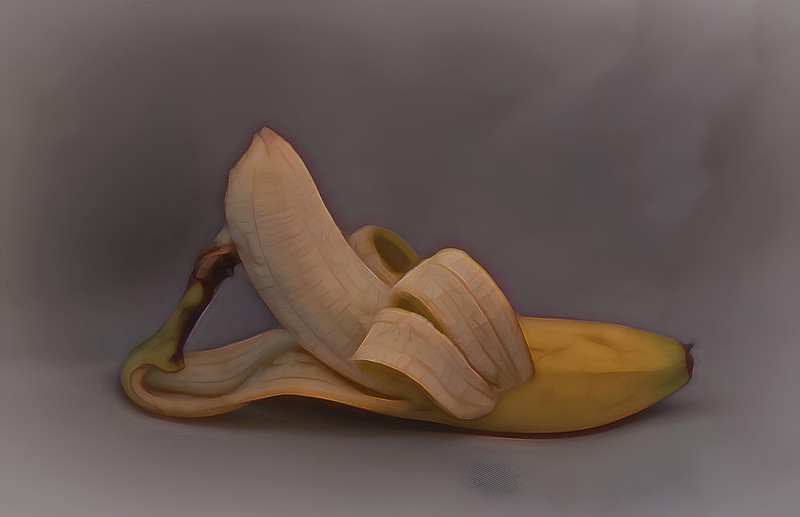
 When we think about creativity, it’s easy to picture something grand and complex—a breathtaking piece of art, a game-changing invention, or a perfectly executed marketing campaign. We often equate creativity with mastery, believing it requires rare talent, years of training, or an elaborate process.
But here’s the truth: creativity isn’t about complexity. It’s about perspective, curiosity, and taking simple actions that lead to meaningful results. In fact, some of the most innovative ideas are born from the simplest beginnings.
Many people hold back their creative potential because they think their ideas aren’t “big enough.” They wait for inspiration to strike or for the perfect set of circumstances. This mindset can lead to paralysis—spending more time planning than doing.
The reality is that creativity thrives in simplicity. The best ideas often come when we strip things down to their core. Think of the post-it note, the paperclip, or even the “like” button on social media. These are small, straightforward concepts that had a huge impact.
You don’t need an elaborate plan to be creative. Here are a few ways to get started without overcomplicating things:
- Work with what you have: Creativity isn’t about having endless resources—it’s about making the most of what’s available.
- Set small challenges: Give yourself constraints, like creating something in 10 minutes or with just three colors. Limitations can spark originality.
- Focus on progress, not perfection: Your first attempt doesn’t need to be perfect. Iteration is where ideas grow.
By keeping things simple, you create space to explore freely without the weight of unrealistic expectations.
Creativity isn’t limited to artists or inventors. It shows up in problem-solving, cooking a new recipe, organizing your workspace, or finding a better way to manage your time. Every day, we face opportunities to approach life with a fresh perspective.
When you start viewing creativity as a series of small, accessible choices, it stops feeling intimidating and starts becoming part of your daily routine.
Being creative doesn’t have to mean creating a masterpiece or reinventing the wheel. Sometimes, it’s as simple as asking, “What if I tried this differently?” The next time you feel stuck, take a step back, simplify, and remember—creativity thrives when we keep it uncomplicated.
Creating Cohesion Through Large-Scale Art
 When you walk into a beautifully designed room, there’s often one element that immediately draws your eye — a bold statement that ties everything together. This is the focal point, and it’s essential in interior design. Without it, a space can feel scattered or unfinished, lacking the visual balance that makes a room feel intentional and harmonious.
One of the most powerful ways to create a focal point is with large-scale art. Whether it’s a dramatic painting, an oversized photograph, or a textured wall piece, art has the ability to anchor a space, bring cohesion, and reflect your personal style.
Imagine a living room where every wall, piece of furniture, and accessory is competing for attention. Without a clear focal point, the space feels overwhelming. A well-chosen focal point gives the room direction and balance, guiding the eye naturally and creating a sense of calm.
A focal point doesn’t just organize the room visually — it also sets the tone. It can make a space feel cozy, modern, playful, or sophisticated, depending on the piece you choose.
Large-scale art has a unique power to transform a room. Here’s why it works so well:
- Draws the Eye: A substantial piece commands attention and becomes the natural centerpiece of the room.
- Adds Visual Weight: It balances out surrounding furniture and decor, grounding the space.
- Creates Cohesion: By tying in the colors and textures of your decor, it unifies the entire room.
For example, a vibrant abstract canvas above a neutral sofa can instantly breathe life into a minimalist space. Likewise, a black-and-white photograph can add timeless elegance to a modern dining room.
When selecting large-scale art, consider these factors:
- Scale: The piece should feel proportional to the wall and surrounding furniture.
- Color Palette: Choose artwork that either complements or thoughtfully contrasts your room’s colors.
- Style: Select art that reflects your personality and the mood you want to create.
Every room tells a story, and large-scale art helps you write the first line. By creating a focal point with a striking piece, you’re not just decorating — you’re shaping the way people experience and feel in the space.
Whether bold and colorful or subtle and serene, the right piece of art has the power to anchor your room, bring cohesion, and make a lasting impression.
Is AI Affecting Your Photography?
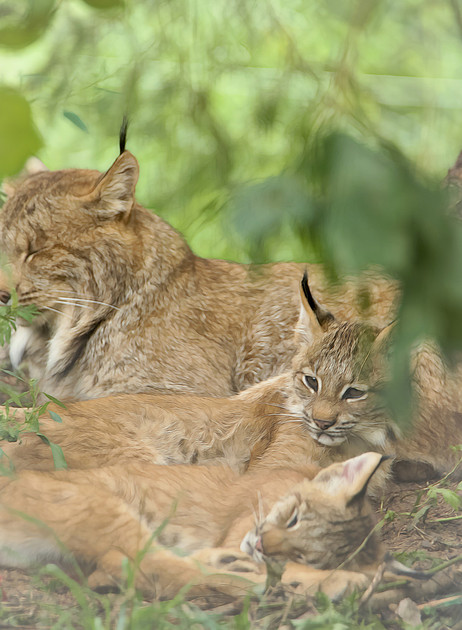 Artificial intelligence has moved quickly from science fiction into everyday life, and photography is no exception. Whether you’re a hobbyist with a smartphone or a professional behind a full-frame camera, AI is influencing how we capture, edit, and even share images. But what does this shift mean for creativity, authenticity, and the future of photography?
Many cameras—especially smartphones—are already powered by AI. Features like scene recognition, automatic exposure adjustments, and computational HDR rely on machine learning. Your phone might brighten shadows, sharpen faces, or balance colors in ways that would once take hours in Lightroom. In effect, AI has become a silent assistant, helping photographers get more technically perfect shots with less effort.
Post-processing is where AI is most visible. Tools like Adobe’s Generative Fill or Luminar’s AI enhancements allow photographers to remove distractions, smooth skin, or even replace skies instantly. This democratizes editing, making advanced retouching accessible to beginners. However, it also raises questions about authenticity: if a photograph can be altered with a single click, how much of the image is still “real”?
AI isn’t only about efficiency—it’s about imagination. Generative AI can build entirely new backdrops, extend frames, or merge multiple images into surreal composites. For some photographers, this is liberating: a chance to push beyond the limitations of what the lens can capture. For others, it blurs the line between photography and digital art, sparking debates over what counts as a photograph.
With great power comes great responsibility. As AI-driven tools make it easier to manipulate images, issues of trust and authenticity become central. In photojournalism, for example, AI editing may undermine credibility. In fine art, it may challenge traditional definitions of originality. Even on social media, where heavily edited images dominate, audiences are becoming more skeptical of what they see.
So, is AI affecting your photography? Almost certainly. But whether it enhances or undermines your work depends on how you use it. Some photographers embrace AI as a tool for efficiency and creativity, while others choose to limit its role to preserve authenticity. Ultimately, photography has always evolved with technology—from film to digital, from darkrooms to Photoshop. AI is simply the latest step in that journey.
AI isn’t replacing photographers—it’s reshaping photography. The challenge and opportunity lie in deciding how much AI belongs in your creative process. Used thoughtfully, it can elevate your work. Used carelessly, it risks eroding trust and originality. The camera may still be in your hands, but now you also have an invisible collaborator: artificial intelligence.
Crafting Your Signature Editing Style in Photography
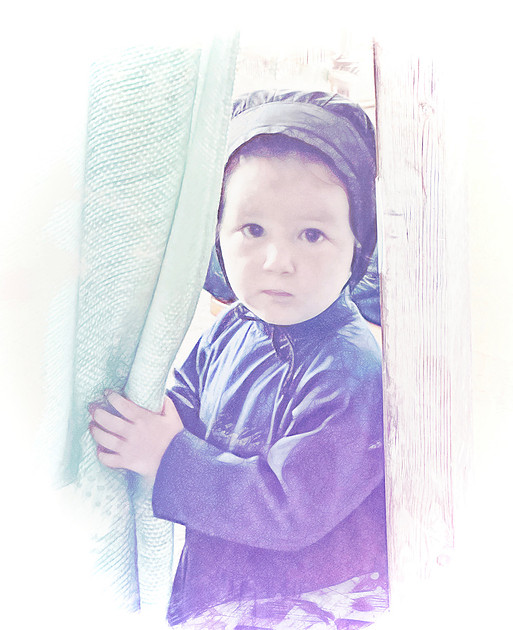 In a world where millions of photos are shared every day, standing out as a photographer often comes down to more than just capturing the right moment. Your editing style is a powerful way to create a visual signature—one that makes your work instantly recognizable and uniquely yours. Developing that style takes time, experimentation, and intention, but the payoff is worth it. Here’s how you can start shaping your own editing identity.
Think about the photographers you admire most. Chances are, you can spot their work without seeing their name attached. That’s the power of a signature editing style: it communicates your artistic voice and creates consistency across your portfolio. Whether it’s moody tones, bright and airy vibes, or bold colors, your style helps tell stories in a way only you can.
Look at work that resonates with you—on Instagram, in photo books, or in magazines. Break down what you love about it: the use of color, the mood, the contrast. Instead of copying, use those inspirations as guideposts. Ask yourself: How can I interpret this feeling in a way that reflects my own vision?
Your editing style is built on technical decisions. Mastering exposure, contrast, white balance, and color grading is essential. For example:
- Warm tones often evoke nostalgia and comfort.
- Cool tones can create calmness or even drama.
- High contrast feels bold and dynamic.
- Soft contrast feels dreamy and subtle.
Experiment with combinations until you find what feels authentic.
Consistency is what makes your style recognizable. If every image you produce feels completely different, your portfolio will lack cohesion. You can achieve consistency by:
- Creating presets in Lightroom or your editor of choice.
- Using a limited color palette.
- Keeping similar levels of contrast and brightness across your work.
Think of it like a painter mixing colors—your editing palette should be distinct and familiar.
Your style doesn’t have to be fixed forever. Many photographers refine their approach as they grow. What matters is that at any given time, your edits reflect your vision. Don’t be afraid to push your boundaries, experiment with new techniques, or adapt your style as your interests evolve.
Ultimately, your signature editing style should feel like you. It’s not just about aesthetics—it’s about how you see the world and want others to experience it. When your edits consistently reflect that vision, your work becomes more than a photo; it becomes art that carries your personal fingerprint.
Creating a signature editing style isn’t about arriving at a final destination. It’s about crafting a visual language that evolves with you, communicates your perspective, and sets you apart in a crowded creative landscape.
The Hidden Ingredients of Better Photography
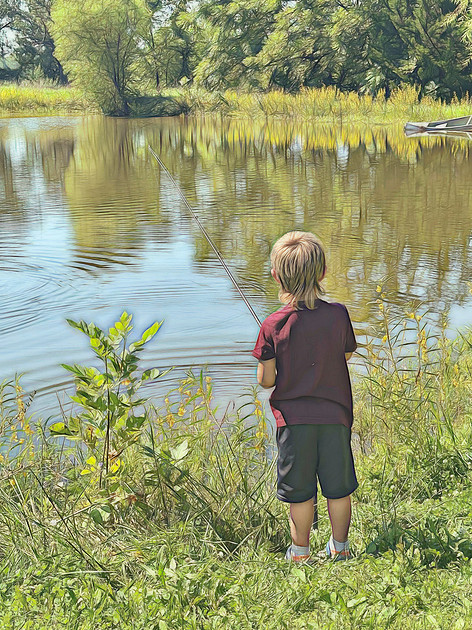 Photography is more than just pressing a button—it’s an art form that blends technical knowledge with personal expression. While mastering your camera settings and lighting techniques is important, what truly sets apart great photographers from good ones often comes down to three qualities: drive, vision, and creativity. Together, these traits can elevate your work from snapshots to stories that resonate.
Drive is the fuel behind every photographer’s journey. It’s what pushes you to wake up early for the golden hour, to stay late after a wedding shoot ensuring every detail is captured, and to spend countless hours reviewing and editing your work. Drive keeps you learning new techniques, studying other artists, and pushing yourself beyond your comfort zone. Without it, even the most advanced gear or technical knowledge won’t take you far. With it, you’ll constantly find ways to improve, refine your style, and build a portfolio that reflects your dedication.
Vision is what allows you to look at a scene and imagine more than what’s in front of you. It’s the ability to recognize moments of beauty in ordinary places or to anticipate an expression before it happens. Vision means having clarity about the stories you want to tell through your photography. Whether you lean toward documentary-style storytelling, fine art portraits, or landscape photography, vision gives your work direction and purpose. It’s the thread that ties your images together into a body of work that feels uniquely yours.
Creativity is where your personal voice comes alive. It’s not about following trends but about experimenting—playing with angles, light, and composition until you discover something fresh. Creativity might mean blending traditional techniques with digital tools, or even bending the "rules" of photography to craft an image that grabs attention. The best photographers aren’t afraid to take risks; they allow curiosity and imagination to guide them toward unexpected results. Creativity ensures your photos don’t just document reality but interpret it in ways that inspire emotion.
When drive, vision, and creativity converge, they form a powerful synergy. Drive keeps you moving, vision gives you direction, and creativity ensures your journey never grows stale. Together, they transform photography into more than a technical pursuit—it becomes an expression of who you are and how you see the world.
So, the next time you pick up your camera, remember: it’s not just about the lens or the settings. It’s about the inner qualities you bring to each shot. Nurture your drive, sharpen your vision, and embrace your creativity—your photography will thank you.
