Hello and Welcome!
We are delighted to have you join us. Whether you're a seasoned professional, an enthusiastic amateur, or someone who appreciates a captivating image, this blog is crafted with you in mind.
We hope our blog inspires you, provides new and fresh perspectives, ignites your creativity, and fuels your passion for the extraordinary world of photography. So grab your camera, and open your eyes to the beauty that surrounds us! Let's embark on a visual adventure together.
It’s Not About the Gear - Creativity in Photography
 In the world of photography and digital art, there’s a common misconception that having the most expensive gear is the key to creating stunning images. While high-end cameras, lenses and editing software can enhance your work, they are not what define a great artist. What truly matters is your creativity, vision and dedication to the craft.
Many aspiring photographers and digital artists fall into the trap of thinking, “If only I had a better camera, I could take amazing photos,” or “Once I upgrade, my work will improve.” But the reality is that some of the most breathtaking images have been captured on smartphones or with budget-friendly tools. It’s not about what you have - it’s about how you use it.
History is full of artists who made masterpieces with minimal resources. Vincent Van Gogh painted with cheap brushes and limited colors. Street photographers have documented powerful moments with old film cameras. Even in today’s digital era, some of the most viral and striking images come from everyday people using their phones in creative ways.
The true essence of art lies in vision, composition, lighting and storytelling. You can have the most advanced camera on the market but if you lack an artistic eye, your images will still feel uninspired. On the other hand, someone with a basic camera but a strong sense of light, angles, and emotion, can create captivating work.
Instead of chasing the next gear upgrade, focus on understanding composition. Learn about the rule of thirds, leading lines, symmetry and framing. These techniques elevate any image, regardless of camera used. Master light. Natural light can transform a simple photo into a masterpiece. Experiment with shadows, the golden hour, and different lighting conditions. Finally, develop a unique style. Your perspective and creative choices, rather than the tools you use, will make your work stand out.
Before investing in expensive equipment, push the limits of what you already own. A smartphone can capture incredible images if used with intention. A beginner’s camera can produce professional quality work if the artist behind it understands its potential. Many photographers have made their careers with mid-range cameras and a deep understanding of their craft.
At the end of the day, a skilled artist with basic tools will always outperform someone with expensive equipment but no vision. So, instead of waiting for the “perfect” gear, start creating now. Your creativity, passion and persistence will always be your most powerful tools.
Capturing Moments…One Frame at a Time

 Every photo is a story waiting to be told. Every time you press the shutter, you capture more than just an image—you capture a moment, a feeling, and a narrative that is uniquely yours.
When you look at a photograph, you see a frozen piece of time. It could be the radiant smile of a stranger, a candid moment between friends, or the quiet solitude of a landscape at dusk. Each snapshot carries with it a depth of emotion and context that transforms it into a story. It’s not merely about the visual elements but also about the narrative that lies beneath. A well-captured image invites viewers to delve into its layers, piecing together the backstory that led to that exact moment.
Consider the details that go into each photo. The interplay of light and shadow, the composition, the colors, and even the imperfections—all these elements contribute to the story behind the image. Sometimes it’s the play of natural light on a subject’s face that hints at a long, sunlit afternoon of memories. Other times, it’s the deliberate framing that tells a tale of isolation or connection. When you focus on these details, you allow your audience to experience the emotion and authenticity of the moment.
Your camera is more than just a tool—it’s your storyteller. With every click, it narrates your perspective of the world. Whether you’re an amateur capturing everyday moments or a professional documenting significant events, every photo is a reflection of your unique vision. It speaks volumes about what you value and what you choose to remember. In this way, photography becomes a deeply personal diary, chronicling life in its myriad forms.
Photos have a unique way of sparking conversations. They create an unspoken dialogue between the photographer and the viewer. A single image can evoke feelings of joy, melancholy, wonder, or nostalgia. It encourages viewers to connect with the subject on a personal level and even inspires them to share their own stories. That exchange of emotions and experiences is what makes every photograph so powerful. It is a silent narrative that bridges gaps, transcending time and language.
Not every photo turns out as planned, and that’s part of the beauty of photography. Some of the best stories emerge from unexpected moments and unplanned shots. Embracing these surprises can lead to images that are rich in character and authenticity. Every mistake or experiment is a step in your journey as a storyteller. With each frame you capture, you learn to see the world a little differently, noticing the extraordinary within the ordinary.
In a world that moves at lightning speed, photographs serve as anchors to our past. They are tangible memories that allow us to revisit moments, relive emotions, and remember details that might otherwise fade away. Every photo holds a legacy—a story that outlives the moment it was taken. Whether displayed on a wall, shared on social media, or kept in an album, each image continues to tell its tale long after the moment has passed.
In essence, every photo is a story to be told. It is a celebration of life’s fleeting moments, a canvas for emotions, and a testament to the beauty of human experience. So next time you pick up your camera, remember that with every click, you’re not just capturing an image—you’re preserving a piece of your story, inviting others to experience the world through your eyes.
Creative Composite Photography - Blending Art and Reality
 Photography has always been a powerful storytelling medium, capturing moments and emotions with a single frame. But what happens when a single shot isn’t enough to bring a vision to life? That’s where creative composite photography comes in—a technique that blends multiple images into one to create a stunning and often surreal composition.
Composite photography involves merging multiple photos together using digital editing software like Photoshop or Lightroom. This allows photographers to craft images that go beyond the limitations of a single frame. Whether it's combining different backgrounds, adding fantasy elements, or enhancing lighting and shadows, composite photography opens up endless creative possibilities.
Composite photography allows artists to construct scenes that may not exist in reality. From dreamlike landscapes to dramatic fantasy portraits, photographers can push the boundaries of their imagination. Sometimes, the perfect shot isn’t possible in one click. Maybe the lighting isn't right, or the background isn’t ideal. By combining multiple images, photographers can manipulate reality to get the perfect final result. A composite image can bring a deeper narrative to life. Instead of capturing a single moment, photographers can piece together elements that tell a compelling visual story, much like a painting. Many businesses and advertisers use composite photography to create eye-catching marketing visuals. This technique enables the production of high-quality, impossible-to-capture images that stand out in advertisements.
Mastering composites helps photographers improve their editing techniques, learning how to blend images seamlessly and manipulate light, shadow, and color for a realistic effect. Creating a composite image starts with capturing high-quality source images. Photographers may take multiple pictures with consistent lighting and perspective to ensure a seamless blend. Then, using editing software, they carefully layer and mask different elements, adjust colors, and refine details to create a cohesive final piece.
This art form has revolutionized digital photography, allowing artists to think beyond the traditional constraints of the camera. Whether for artistic expression, commercial projects, or storytelling, composite photography continues to be a vital technique that merges creativity with technical expertise.
If you’ve ever looked at an image and thought, “That looks too incredible to be real,” chances are, you’ve encountered a composite photograph. And that’s the beauty of it - it’s a fusion of art and reality, bringing visions to life in ways that a single photo never could.
How to Create a Business Plan as a Photographer
 Starting your photography business can be exciting and challenging. One of the most important steps to ensure your success is creating a solid business plan. A well-thought-out business plan not only helps you stay focused but also demonstrates your professionalism to potential clients and investors. Here’s a guide to help you get started.
Define your vision and goals. Begin by identifying your overarching vision for your photography business. Are you aiming to become a wedding photographer, specialize in portraits, or focus on commercial photography? Clearly outlining your niche helps set the direction for your business.
Once your vision is clear, establish your goals. These can include achieving a specific annual income, booking a certain number of shoots per month, or expanding into new markets within a given timeframe.
Identify your target audience. Understanding your target audience is essential for tailoring your services and marketing efforts. Consider factors such as demographics (age, gender, location), interests and preferences, and specific needs (e.g., high-quality headshots, family portraits, or product photography).
Analyze the market. Research your local photography market to identify competitors and trends. Questions to ask include who are your main competitors, and what are their strengths and weaknesses? What gaps exist in the market that you could fill? What pricing strategies are other photographers using? This analysis will help you carve out a unique selling proposition (USP).
Outline your services and pricing. List the services you will offer and how they will be priced. For example, wedding packages with different tiers (basic, premium, all-inclusive). Hourly rates for portrait sessions. Licensing fees for commercial work. Be transparent about your pricing structure and ensure it aligns with your target audience’s budget and expectations.
Create a marketing plan. A solid marketing plan is crucial for attracting clients. Strategies may include building a professional website to showcase your portfolio, leveraging social media platforms like Instagram and Pinterest, networking with local businesses, event planners, or venues, and offering promotions or discounts for referrals.
Establish your brand. Your brand is how clients perceive you. Develop a cohesive brand identity by designing a memorable logo, choosing consistent colors and fonts for your website and marketing materials, and writing an engaging “About Me” section that highlights your personality and experience.
Plan your finances. A photography business requires an initial investment in equipment, software, and marketing. Outline your financial needs, including startup costs (camera gear, editing software, website creation), ongoing expenses (insurance, subscriptions, travel), and revenue projections based on your pricing and goals. Consider opening a dedicated business bank account and using accounting software to manage your finances.
Set a timeline for growth. Establish a timeline for achieving key milestones -launch your website, book your first 10 clients, or expand into a new photography niche. Regularly evaluate your progress and adjust your plan as needed.
Prepare for challenges. Every business faces obstacles. Anticipate potential challenges like seasonal demand fluctuations or competition, and develop strategies to address them. For example, you might offer mini-session promotions during slow periods or invest in continuous education to stay competitive. Review and update your plan. Your business plan should be a living document. Regularly revisit and revise it to reflect changes in your goals, market conditions, or personal circumstances.
By taking the time to create a comprehensive business plan, you’ll set your photography business up for success. Not only will you have a clear roadmap to follow, but you’ll also gain the confidence to pursue your vision and grow your brand.
How to Connect Your Art to Trends While Staying True to Your Unique Voice
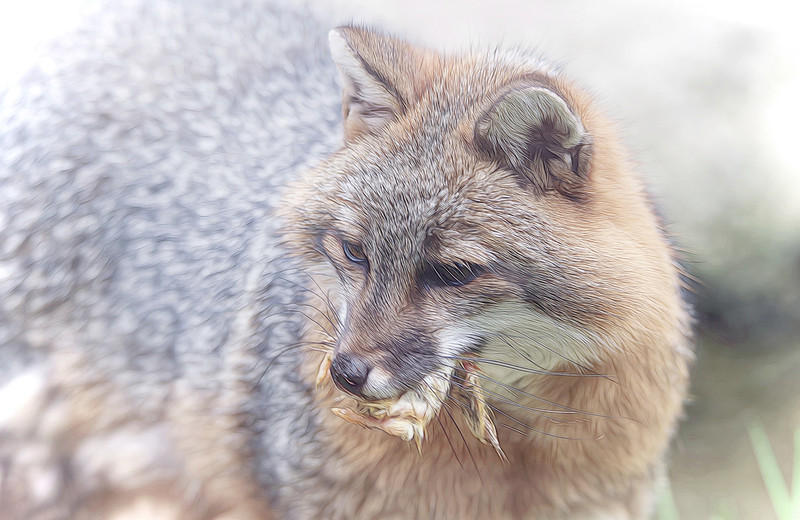 As an artist, staying relevant and resonating with your audience can often feel like walking a tightrope. On one side lies the allure of trends—a chance to connect with contemporary culture and expand your reach. On the other, the integrity of your unique voice—the very essence that makes your art stand out. Balancing these two can be challenging but deeply rewarding when done thoughtfully. Here's how you can align your work with current trends while maintaining your artistic authenticity.
Understand the trends. Before you can incorporate trends into your work, you need to understand them. Spend time researching what’s capturing people’s attention in your niche and beyond. Social media platforms, art magazines, galleries, and online forums are great resources to identify emerging themes, styles, and conversations.
While observing trends, ask yourself the following - what about this trend resonates with people? Does it align with any themes or ideas I’m already exploring? Can I reinterpret this trend in a way that feels natural to my style?
Find the overlap between trends and your passion. Not every trend will suit your artistic style or vision, and that’s okay. The key is to find the intersection between what’s popular and what you’re genuinely passionate about. For example, if sustainability is trending but your art revolves around digital media, you could explore creating pieces that highlight environmental themes using eco-friendly digital processes. This approach ensures that your engagement with trends feels organic and authentic rather than forced.
Stay true to your signature style. Your unique voice is what draws people to your art, so it’s essential to preserve it, even when incorporating trending elements. Think of trends as spices that enhance a dish rather than overpowering it. For instance, if vibrant neon colors are trending but your palette leans toward muted tones, consider subtle accents of neon rather than overhauling your entire color scheme.
Experiment and innovate. Trends can be an excellent springboard for experimentation. Use them as an opportunity to push your boundaries and explore new techniques or perspectives. While doing so, remember that innovation often happens when artists blend the familiar with the unexpected. Your reinterpretation of a trend could become a trend in itself.
Engage with your audience. Your audience is a valuable source of inspiration and feedback. Share your process and thoughts about trends on social media or through blogs. Engaging in conversations about how you’re integrating trends into your work can deepen your connection with your followers and provide insights into what resonates with them.
Embrace selectivity. You don’t have to chase every trend. In fact, doing so can dilute your artistic identity. Instead, be selective and intentional about the trends you incorporate. Focus on those that genuinely excite you or align with your long-term artistic goals.
Reflect and adapt. Artistic growth is a continuous process. Take time to reflect on how well your work aligns with current trends and your unique voice. If something doesn’t feel right, don’t be afraid to pivot. Trends come and go, but your authentic voice is timeless.
Connecting your art to trends while staying true to your unique voice is about balance. By understanding trends, finding the overlap with your passion, and staying selective, you can create work that feels both timely and authentic. Remember, the goal is not to follow trends blindly but to use them as tools to amplify your vision and make a meaningful impact. The world doesn’t need more of the same; it needs your unique perspective—rooted in the now yet timeless in its authenticity.
