Hello and Welcome!
We are delighted to have you join us. Whether you're a seasoned professional, an enthusiastic amateur, or someone who appreciates a captivating image, this blog is crafted with you in mind.
We hope our blog inspires you, provides new and fresh perspectives, ignites your creativity, and fuels your passion for the extraordinary world of photography. So grab your camera, and open your eyes to the beauty that surrounds us! Let's embark on a visual adventure together.
Are You a Photographer or a Visual Artist? Understanding the Difference

 At some point, many people who work with a camera run into a deceptively simple question: Are you a photographer, or are you a visual artist? The distinction can feel blurry—after all, both involve creating images—but the mindset, intent, and even the expectations behind each label can be quite different.
A photographer, in the traditional sense, is someone focused on capturing reality. This could mean documenting events, creating portraits, shooting products, or freezing fleeting moments in time. The emphasis is often on technical skill—understanding lighting, composition, timing, and equipment. A photographer’s success is frequently measured by how accurately or beautifully they represent a subject. Whether it’s a wedding, a news story, or a commercial shoot, the goal is usually to deliver something specific, often for a client or a defined purpose.
A visual artist, on the other hand, uses images as a medium for expression rather than just documentation. A camera might still be the primary tool, but it’s treated less like a recording device and more like a brush or a chisel. The final image doesn’t have to reflect reality—it can distort, abstract, or completely reimagine it. In this space, intention matters more than accuracy. The question shifts from “Did I capture this well?” to “What am I trying to say?”
One of the clearest differences lies in purpose. Photographers are often problem-solvers. They work within constraints: a client brief, a location, a timeline. Visual artists tend to create from internal motivation. Their work might not have a clear “use” beyond provoking thought, emotion, or conversation. Neither approach is better—they simply serve different ends.
Another distinction is process versus outcome. Photographers often prioritize consistency and reliability. If you hire a photographer twice, you expect a certain level of repeatable quality. Visual artists, by contrast, might actively avoid repetition. Evolution, experimentation, and even failure are part of the process.
That said, the line between the two is far from rigid. Many photographers move into visual art as they develop a personal voice. Likewise, visual artists may rely on strong photographic technique to bring their ideas to life. In today’s creative landscape, it’s common to see people inhabiting both roles at once—switching between them depending on the project.
So, which one are you?
The answer might depend less on what you do and more on how you think. If you’re driven by capturing moments as they are, solving visual problems, and delivering results, you may lean toward photography. If you’re more interested in shaping meaning, experimenting with form, and expressing ideas, you might identify as a visual artist.
Or—and this is where it gets interesting—you don’t have to choose at all.
The most compelling work often comes from people who understand both perspectives: those who can master the craft of photography while pushing beyond it into something more personal and interpretive. In that overlap, the labels start to matter less, and the work starts to speak for itself.
Why Your Art Matters More Than You Think
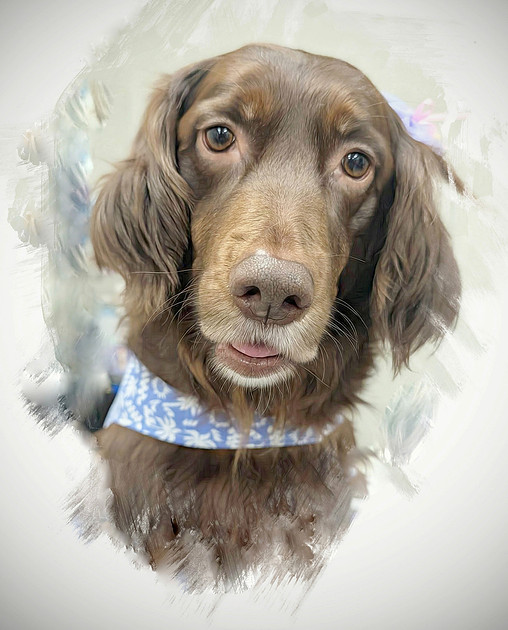 It’s easy to underestimate the impact of what you create.
Maybe you sketch in the margins of a notebook, write late at night when no one’s watching, or post something online that gets a handful of likes before disappearing into the scroll. It can feel small. Temporary. Almost invisible.
But here’s the truth: your art is not as small as it feels.
Somewhere, someday, someone is going to come across what you made—and it will matter to them in a way you may never fully see.
It might be a song you almost didn’t share, playing at just the right moment for someone who needed comfort. It might be a painting that makes a stranger pause in the middle of a chaotic day. It might be a few lines you wrote that perfectly capture a feeling someone couldn’t put into words themselves.
And in that moment, something shifts. They smile. They breathe easier. They feel understood.
That moment is bigger than metrics. Bigger than recognition. Bigger than you.
We tend to measure art by visibility—views, shares, applause. But impact doesn’t always announce itself. Sometimes it’s quiet. Private. A small, human moment that happens far away from you, without your knowledge.
And yet, it still counts.
Think about the art that has stayed with you. The random song you heard once that still lives in your head. The quote that hit you at exactly the right time. The drawing, film, or story that made you feel less alone.
Chances are, the person who created it had no idea it would reach you like that.
That’s the quiet magic of creating: you are contributing to a world you don’t fully see. You are placing something into the lives of others without needing to control how or when it lands.
So when you doubt your work—when it feels too small, too strange, too unfinished—remember this:
You are not just making things. You are creating moments.
Moments of connection. Moments of relief. Moments of joy.
And for someone, somewhere, one of those moments will arrive exactly when they need it.
They’ll smile because of something you made.
And even if you never witness it, that impact is real. It ripples outward in ways you can’t measure, but that doesn’t make it any less meaningful.
So keep going.
Keep creating the imperfect, the experimental, the deeply personal things. Keep sharing even when it feels vulnerable. Keep showing up for your art, even on the days it feels like no one is paying attention.
Because someday, someone will be.
And your art will meet them there.
That’s bigger than you think.
The Beauty of Giving - How Fine Art Creates Lasting Connections
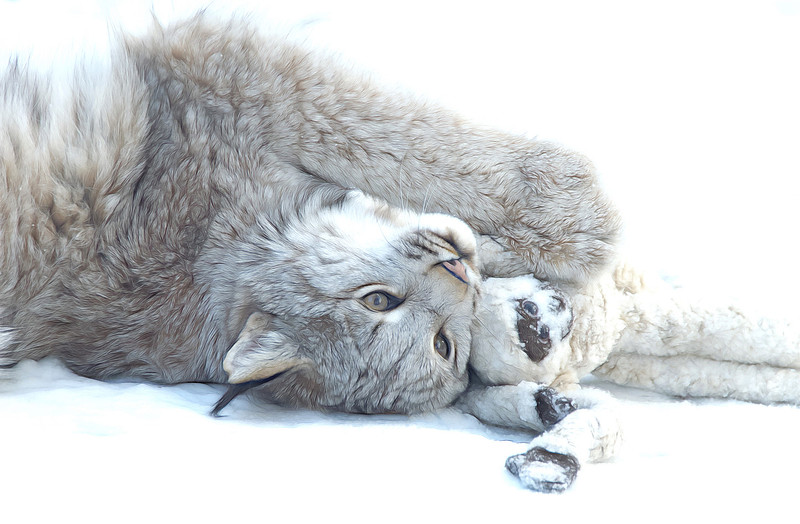 Fine art has long been treasured as a way to capture beauty, emotion, and human experience. When given as a gift, it becomes something even more powerful—a meaningful gesture that goes far beyond the temporary excitement of opening a present. Giving the gift of fine art is a thoughtful and timeless way to express appreciation, celebrate milestones, and create a lasting connection between the giver and the recipient.
Unlike many conventional gifts that may eventually wear out or lose their novelty, a piece of fine art has the potential to endure for generations. A carefully chosen painting, sculpture, or photograph becomes a permanent presence in someone’s life. Each time the recipient sees it on their wall or displayed in their home, it serves as a quiet reminder of the moment it was given and the person who gave it. In this way, art carries memory, emotion, and meaning long after the occasion has passed.
Fine art also reflects a deeper level of intention. Selecting a piece requires thought about the recipient’s personality, taste, and the atmosphere they enjoy. It might be a vibrant abstract painting for someone who loves bold expression, a serene landscape for someone who values calm and reflection, or a striking photograph that captures a meaningful place or moment. Because of this personal consideration, gifting art often feels more intimate than giving something purely practical.
Another beautiful aspect of fine art as a gift is its ability to transform a space. A single piece can change the mood of a room, bringing warmth, inspiration, or a sense of sophistication. It can become a focal point in a home or office, sparking conversation and encouraging people to pause and appreciate the details within it. Over time, the artwork becomes part of the environment where memories are made.
Art also invites imagination and reflection. Unlike many gifts that serve a fixed purpose, art evolves with the viewer. The emotions and interpretations it inspires can change over time, reflecting different phases of life and perspective. This dynamic quality gives art a unique ability to grow in meaning alongside the person who owns it.
Ultimately, giving fine art is not just about the object itself. It is about sharing beauty, thoughtfulness, and a piece of creative expression. It is a gift that honors both the heart and the imagination—one that can inspire, comfort, and connect people in ways that few other gifts can. In a world where many things are fleeting, a piece of art stands as a lasting symbol of appreciation and meaningful connection.
A Photographer Is a Storyteller Without Saying a Word
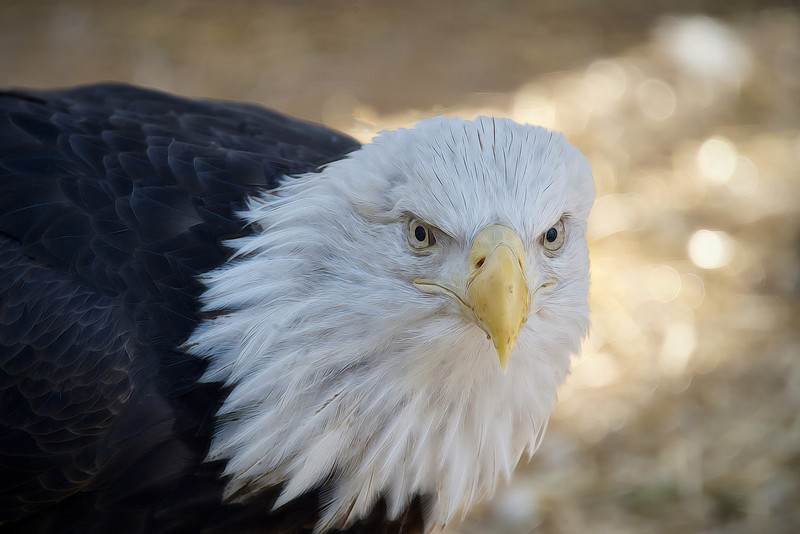 In a world overflowing with noise—notifications, headlines, endless commentary—there is something profoundly moving about a story told in complete silence. A photographer doesn’t need dialogue, paragraphs, or even a single whispered line. With one frame, one fraction of a second, they can tell a story that lingers longer than pages ever could.
Photography is often mistaken for simply “taking pictures.” But true photographers don’t just capture what is in front of them; they interpret it. They notice the trembling hands before a first dance, the quiet pride in a graduate’s posture, the way late afternoon light falls across a weathered face. These are not random moments. They are chapters.
A single image can hold conflict, tension, joy, and resolution all at once. Consider a photograph of a child standing alone in the rain, clutching a bright red balloon. There are questions embedded in that frame. Where are they going? What are they feeling? Why are they alone? The photographer never answers directly. Instead, they invite the viewer to step into the narrative and finish it themselves.
Light becomes language. Shadows become subtext. Composition becomes structure. Just as a writer carefully chooses words, a photographer carefully chooses angles, framing, and timing. The difference is that instead of sentences, they use seconds.
There’s an intimacy to this kind of storytelling. Words can explain too much, but images allow space. They trust the audience. They leave room for interpretation, memory, and emotion. A wedding photo may show two people smiling, but beneath that smile might be years of shared history—struggles overcome, promises made, futures imagined. The camera doesn’t spell it out. It simply reveals enough.
Perhaps the most powerful aspect of photography is its honesty. A genuine laugh cannot be faked in the split second it appears. A tear slipping down a cheek carries a weight that no caption can fully express. The photographer’s role is not to manufacture emotion, but to witness it—to be present and ready when truth surfaces.
In many ways, photographers are archivists of human experience. They preserve moments that would otherwise dissolve into memory. A fleeting glance. A final goodbye at a train station. A sunrise after a long night. These fragments become timeless through their lens.
And yet, the photographer remains quiet. They step back after the shutter clicks. They let the image speak. They allow the viewer to listen.
To be a photographer is to understand that stories do not always need narration. Sometimes, all it takes is patience, perspective, and the courage to see deeply. In silence, they speak volumes.
Sharing the Story - Why Photographers Blog
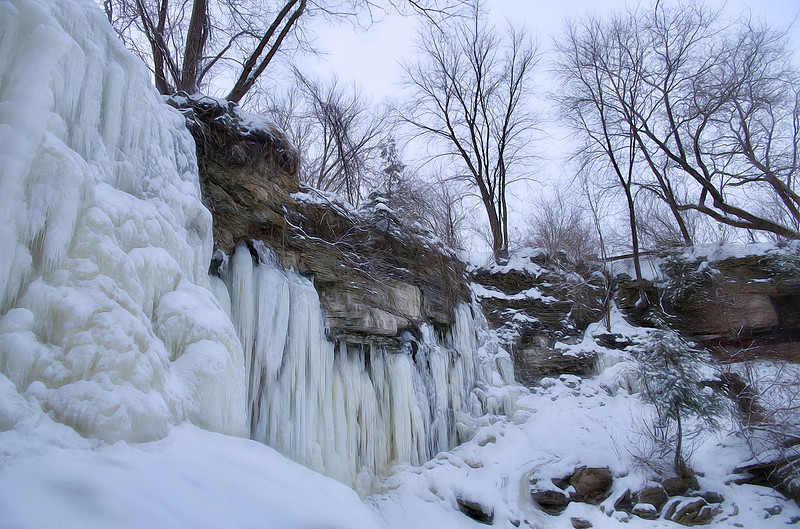 Photographers blog for many reasons, but at the heart of it is connection. A blog gives photographers a place to slow down and share the why behind their images—the moments, emotions, and stories that can’t always be fully captured in a single frame. While a photograph may stop someone in their tracks, a few thoughtful words can invite them to stay longer, to understand what the photographer saw and felt when the shutter clicked.
Blogging also helps photographers define their voice and vision. In a world of endless scrolling and quick likes, a blog creates space for deeper reflection and intentional storytelling. It’s where photographers can talk about their creative journey, the lessons learned along the way, and how their style has evolved. Over time, these posts become a living archive of growth, documenting not just images, but the experiences and perspectives that shaped them.
Beyond creativity, blogging builds trust and community. Clients and viewers get to know the person behind the camera—what inspires them, what they value, and how they approach their work. This transparency helps turn casual viewers into loyal followers and meaningful clients. A blog also opens the door for conversation, encouraging readers to engage, reflect, and see the world through the photographer’s lens.
Finally, photographers blog because their work deserves context and longevity. Social media posts fade quickly, but a blog post can be revisited years later, still carrying the same story and intention. It’s a place where images live more fully, where art is given room to breathe, and where a photographer’s legacy is quietly, thoughtfully built—one story at a time.
