|
The Heart of the Moment
When you slow down and truly observe a moment, you begin to see beyond the obvious. The nervous excitement in a bride’s hands just before she walks down the aisle. The quiet pride in a grandfather’s eyes as he watches his family gather. The way light softens at the end of the day, wrapping a scene in calm. These details may seem small, but they are where the story lives. Photography becomes meaningful when you learn to recognize and honor those subtleties. Capturing feeling starts with being present. It’s easy to get lost in camera settings, shot lists, or the pressure to “get the shot.” But when you take a breath and immerse yourself in the environment, your instincts sharpen. You anticipate moments instead of chasing them. You notice expressions forming before they peak, gestures before they disappear, and interactions that can’t be staged or repeated. Composition and technique still matter, but they serve the emotion rather than overshadow it. A slightly imperfect frame can be far more compelling than a flawless one if it conveys authenticity. Motion blur can suggest energy. Shadows can add mystery. Negative space can emphasize loneliness or peace. When you prioritize feeling, technical choices become tools for storytelling rather than rules to follow. The soul of a moment often reveals itself when people forget the camera is there. This is why patience is one of a photographer’s greatest strengths. Give moments time to unfold. Let silence exist. Allow real emotion to surface naturally. The resulting image will feel honest, lived-in, and timeless. Ultimately, photography is about connection—between the photographer and the subject, and later between the image and the viewer. Long after the details fade, what remains is the emotion the photograph evokes. If someone can look at your image and feel something—joy, nostalgia, longing, peace—you’ve succeeded. So don’t just take pictures. Listen to the moment. Feel it. Respect it. Then press the shutter when the soul of the scene reveals itself. That’s where true photography lives.
Keywords:
connect with your subject,
emotion,
evoke emotion,
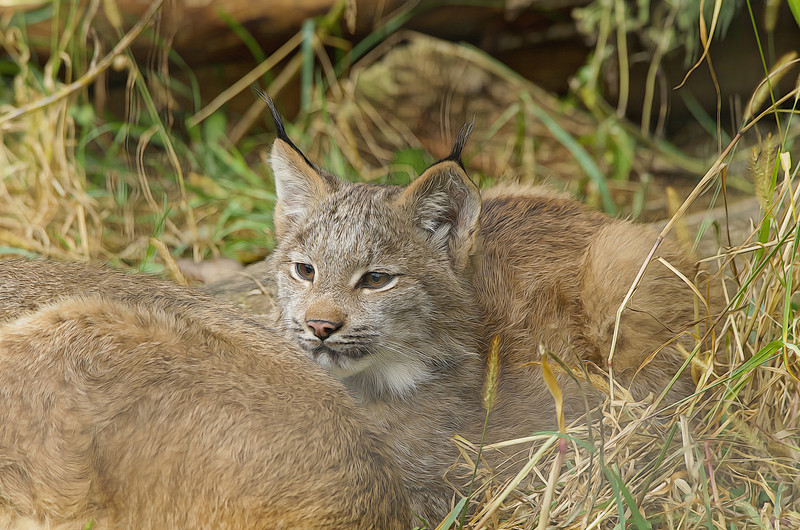
lynx kitten,
patience,
photography,
powerful images,
storytelling,
technical choices,
the heart of the moment,
the soul of the moment,
timeless images,
wildlife,
wildlife photography

Comments
No comments posted.
Loading...
|