Hello and Welcome!
We are delighted to have you join us. Whether you're a seasoned professional, an enthusiastic amateur, or someone who appreciates a captivating image, this blog is crafted with you in mind.
We hope our blog inspires you, provides new and fresh perspectives, ignites your creativity, and fuels your passion for the extraordinary world of photography. So grab your camera, and open your eyes to the beauty that surrounds us! Let's embark on a visual adventure together.
Sharing the Story - Why Photographers Blog

 Photographers blog for many reasons, but at the heart of it is connection. A blog gives photographers a place to slow down and share the why behind their images—the moments, emotions, and stories that can’t always be fully captured in a single frame. While a photograph may stop someone in their tracks, a few thoughtful words can invite them to stay longer, to understand what the photographer saw and felt when the shutter clicked.
Blogging also helps photographers define their voice and vision. In a world of endless scrolling and quick likes, a blog creates space for deeper reflection and intentional storytelling. It’s where photographers can talk about their creative journey, the lessons learned along the way, and how their style has evolved. Over time, these posts become a living archive of growth, documenting not just images, but the experiences and perspectives that shaped them.
Beyond creativity, blogging builds trust and community. Clients and viewers get to know the person behind the camera—what inspires them, what they value, and how they approach their work. This transparency helps turn casual viewers into loyal followers and meaningful clients. A blog also opens the door for conversation, encouraging readers to engage, reflect, and see the world through the photographer’s lens.
Finally, photographers blog because their work deserves context and longevity. Social media posts fade quickly, but a blog post can be revisited years later, still carrying the same story and intention. It’s a place where images live more fully, where art is given room to breathe, and where a photographer’s legacy is quietly, thoughtfully built—one story at a time.
Pricing with Confidence - Attracting the Clients Who Value You
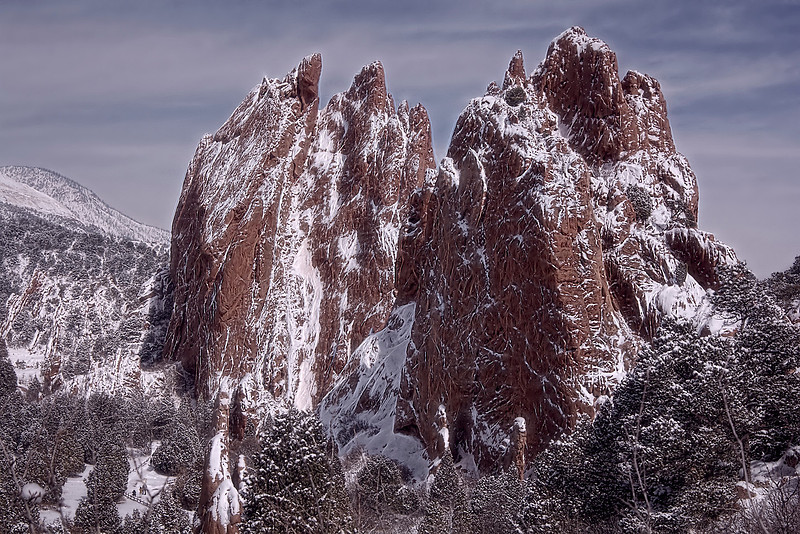 One of the most common struggles photographers face isn’t learning how to use a camera or finding beautiful light—it’s learning how to value their own work. Discounting your photography so more people can “afford” you may feel like the right move, especially early on, but over time it can quietly undermine your confidence, your creativity, and your business.
Your pricing communicates more than numbers. It tells people how you see your work and what kind of experience they can expect. When you constantly lower your rates, you attract clients who are focused on cost rather than connection. These are often the same people who question every line item, rush the process, and overlook the care and intention you pour into your craft.
The right clients don’t ask why you’re “so expensive.” They understand that photography isn’t just about showing up and pressing a shutter. It’s about years of experience, an artistic eye, emotional intelligence, preparation, editing, communication, and the ability to capture moments that can never be recreated. They aren’t just paying for images—they’re investing in how those moments will be remembered.
When you price your work with confidence, you create space to do your best work. You can slow down, be intentional, and fully show up for your clients. You’re no longer operating from a place of burnout or resentment. Instead, you’re building relationships with people who value artistry, trust your vision, and are genuinely excited to work with you.
Raising your prices—or simply refusing to discount—can feel uncomfortable at first. You may worry about losing inquiries or being told no. But every “no” makes room for the right “yes.” It filters out clients who aren’t aligned and draws in those who respect your time, talent, and perspective.
You don’t need everyone to afford you. You need the right people to choose you. The ones who see your work and feel something. The ones who recognize that meaningful photography is an investment, not an expense.
Stop discounting your art to fit someone else’s budget. Stand behind your value. The right clients won’t question your worth—they’ll be excited to invest in it.
When Images Tell Stories
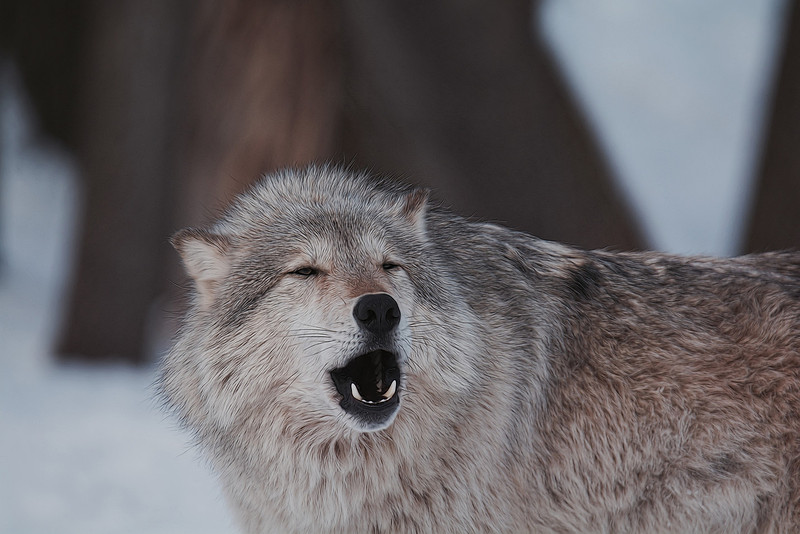 Every photograph tells a story, but not every image invites the viewer to linger. When you allow your lens to become a storyteller, your work moves beyond simple visuals and becomes a narrative—one that feels timeless, meaningful, and deeply human.
Storytelling in photography begins with intention. Instead of asking, “What should I photograph?” ask, “What story is unfolding here?” It could be a fleeting interaction, a quiet moment of reflection, or a scene shaped by light and atmosphere. Stories don’t always need action; sometimes they live in stillness. A lone figure in a wide landscape can speak volumes about solitude, freedom, or introspection.
Timeless images often rely on emotion rather than trends. While styles, presets, and gear evolve, emotion remains constant. Joy, grief, curiosity, love, and wonder transcend time. When your images focus on these universal feelings, they continue to resonate long after the moment has passed. The goal isn’t to chase perfection, but to create something honest—something that feels real.
Composition plays a subtle yet powerful role in storytelling. Leading lines can guide the eye like a plot unfolding. Light and shadow can create tension or calm. Depth can add layers to the narrative, suggesting what came before and what might happen next. Each choice you make contributes to the story you’re telling, even when the viewer doesn’t consciously realize it.
Patience is essential to meaningful storytelling. Moments worth capturing can’t always be rushed. Allow scenes to breathe. Observe how people interact, how environments shift, and how emotions surface naturally. When you give yourself permission to wait, your images gain depth and authenticity.
Ultimately, your photographs become timeless narratives when they connect with the viewer’s own experiences. A strong image doesn’t explain everything—it leaves space for interpretation. It invites someone to step into the frame and finish the story in their own way.
Let your lens be a storyteller. Trust your instincts. Photograph with curiosity and empathy. When you do, your images won’t just document moments—they’ll become stories that endure.
The Heart of the Moment
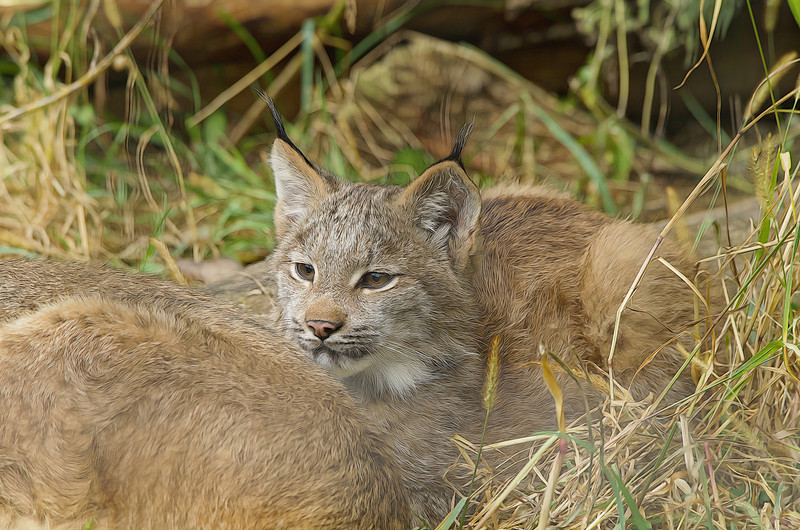 Photography is often described as freezing time, but the most powerful images do more than document what something looked like. They preserve how it felt. Anyone can point a camera and take a technically correct picture, but creating a photograph that carries emotion, atmosphere, and soul requires intention, presence, and connection.
When you slow down and truly observe a moment, you begin to see beyond the obvious. The nervous excitement in a bride’s hands just before she walks down the aisle. The quiet pride in a grandfather’s eyes as he watches his family gather. The way light softens at the end of the day, wrapping a scene in calm. These details may seem small, but they are where the story lives. Photography becomes meaningful when you learn to recognize and honor those subtleties.
Capturing feeling starts with being present. It’s easy to get lost in camera settings, shot lists, or the pressure to “get the shot.” But when you take a breath and immerse yourself in the environment, your instincts sharpen. You anticipate moments instead of chasing them. You notice expressions forming before they peak, gestures before they disappear, and interactions that can’t be staged or repeated.
Composition and technique still matter, but they serve the emotion rather than overshadow it. A slightly imperfect frame can be far more compelling than a flawless one if it conveys authenticity. Motion blur can suggest energy. Shadows can add mystery. Negative space can emphasize loneliness or peace. When you prioritize feeling, technical choices become tools for storytelling rather than rules to follow.
The soul of a moment often reveals itself when people forget the camera is there. This is why patience is one of a photographer’s greatest strengths. Give moments time to unfold. Let silence exist. Allow real emotion to surface naturally. The resulting image will feel honest, lived-in, and timeless.
Ultimately, photography is about connection—between the photographer and the subject, and later between the image and the viewer. Long after the details fade, what remains is the emotion the photograph evokes. If someone can look at your image and feel something—joy, nostalgia, longing, peace—you’ve succeeded.
So don’t just take pictures. Listen to the moment. Feel it. Respect it. Then press the shutter when the soul of the scene reveals itself. That’s where true photography lives.
A Fresh Frame - Setting Photography Goals for the New Year
 The start of a new year offers photographers a natural pause—a moment to reflect on where we’ve been and where we want our creativity to go next. Setting goals as a photographer isn’t about rigid rules or unrealistic expectations. It’s about creating intention, direction, and space for growth in a craft that is always evolving.
One of the most valuable goals a photographer can set is learning to slow down and shoot with purpose. Instead of focusing on how many images we produce, the new year invites us to think about why we’re creating them. What stories do we want to tell? What emotions do we want our work to evoke? Thoughtful goals help shift photography from a habit into a mindful practice, where every click of the shutter has meaning behind it.
Another important aspect of goal-setting is artistic growth. The new year is a perfect time to identify skills you want to strengthen or styles you want to explore. That might mean mastering light in challenging conditions, experimenting with a new genre, or revisiting old locations with fresh eyes. Goals give us permission to experiment, to make mistakes, and to grow beyond what feels familiar.
Setting goals also helps photographers stay grounded amid comparison. It’s easy to measure success by likes, follows, or sales, but those metrics rarely reflect personal fulfillment. When your goals are rooted in your own vision—whether that’s creating more personal work, telling deeper stories, or simply enjoying the process—you’re less likely to be pulled off course by external noise.
Finally, setting goals for the new year is about balance. Photography should inspire, not overwhelm. Healthy goals allow room for rest, curiosity, and joy. They remind us that creativity isn’t a race, and progress doesn’t always look the same for everyone.
As the year unfolds, goals can shift and evolve, and that’s okay. The purpose of setting them isn’t perfection—it’s intention. With clear goals guiding your path, the new year becomes an opportunity not just to take better photos, but to become a more thoughtful, confident, and fulfilled photographer.
