Hello and Welcome!
We are delighted to have you join us. Whether you're a seasoned professional, an enthusiastic amateur, or someone who appreciates a captivating image, this blog is crafted with you in mind.
We hope our blog inspires you, provides new and fresh perspectives, ignites your creativity, and fuels your passion for the extraordinary world of photography. So grab your camera, and open your eyes to the beauty that surrounds us! Let's embark on a visual adventure together.
The Magic of Candid Shots - Capturing Heart and Soul
 Click here to view our Galleries
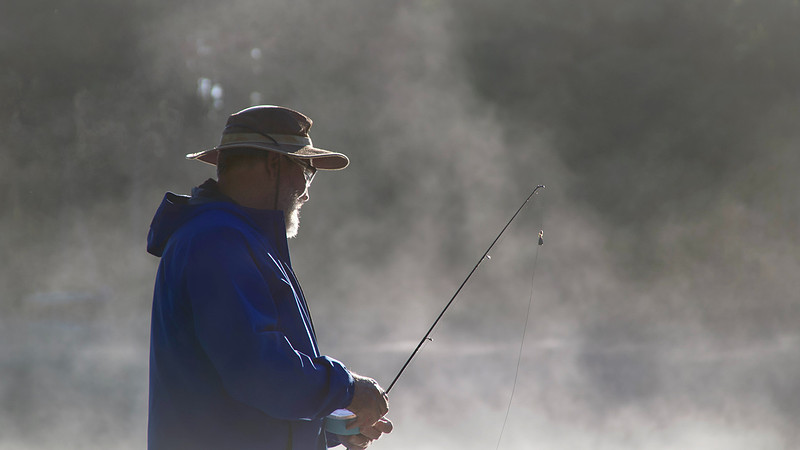
 In the world of photography, there are countless styles and techniques that photographers can use to tell a story. Yet, one approach stands out for its ability to capture the true essence of a moment: candid photography. Candid shots, taken without the subject's awareness, have a unique power to reveal the heart and soul of a scene in ways that posed photographs often cannot.
Candid photography is all about authenticity. When people are unaware they are being photographed, they are more likely to express genuine emotions and engage in natural behavior. This authenticity is what makes candid shots so compelling. Whether it’s the laughter of children playing, the quiet contemplation of someone lost in thought, or the unfiltered joy of a couple in love, candid photos offer a glimpse into the real, unguarded moments of life.
To capture these moments, a candid photographer must become a part of the environment. Blending in and being unobtrusive is key. This often involves using longer lenses to shoot from a distance or simply having the patience to wait for the perfect moment. It’s about being present and observant, ready to capture the fleeting expressions and interactions that tell a story.
Emotion is at the core of every great candid shot. A single photograph can convey a spectrum of feelings – happiness, sadness, surprise, or nostalgia. Unlike posed portraits, where expressions can sometimes feel forced or exaggerated, candid shots capture raw, unfiltered emotion. This emotional depth can resonate deeply with viewers, creating a strong connection between the image and its audience.
Every candid photograph tells a story. It might be a simple narrative of daily life or a complex tale of human relationships and experiences. The context and background of a candid shot often add layers to the story, providing a rich tapestry of details that enhance the viewer’s understanding and engagement. The spontaneity of these moments brings an element of surprise and delight, making each photograph a unique and precious record of time.
While candid photography is largely about intuition and timing, certain techniques can enhance the chances of capturing those perfect moments. Keeping the camera at the ready, using burst mode to capture a sequence of images, and anticipating moments by observing interactions closely are all useful strategies. Additionally, understanding and using natural light effectively can add a beautiful, organic quality to candid shots.
Candid shots have a profound impact not only on the viewer but also on the subjects themselves. Seeing oneself in a candid photograph can be a powerful experience, often revealing aspects of personality and emotion that posed photos do not. For photographers, the joy of capturing these genuine moments and the satisfaction of preserving them for posterity is immensely rewarding.
In a world where social media often promotes curated and filtered versions of reality, candid photography stands out as a celebration of the real and the raw. It’s about finding beauty in the everyday and capturing the heart and soul of life’s unscripted moments. Whether you’re a professional photographer or an amateur with a passion for storytelling, embracing candid photography can open up new avenues for creativity and connection. So, keep your camera ready and your eyes open – the next perfect candid shot might be just around the corner.
Every Photo is a Memory - Capture It
 Click here to view our Galleries
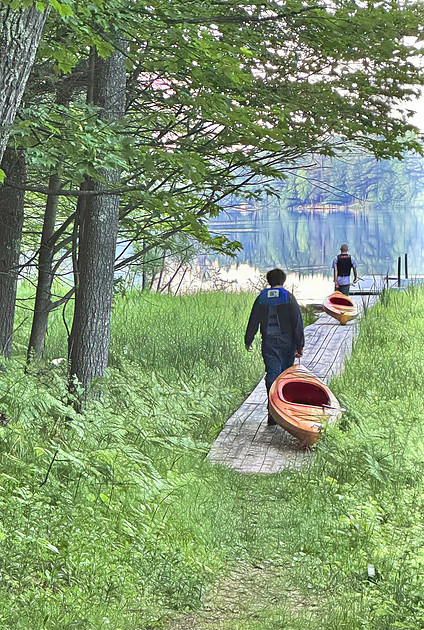
In today's fast-paced world, where moments slip by in the blink of an eye, photography has become a powerful tool to preserve the essence of our lives. Every click of the camera captures not just an image but a memory, a fragment of time that holds stories, emotions, and experiences. This makes the act of taking photos more than just a hobby; it's a way to create a personal history, a visual diary that we can revisit and share with others.
Each photograph tells a story. A picture of a family gathering brings back the warmth of togetherness, the sound of laughter, and the joy of being with loved ones. A snapshot of a sunset over the ocean can transport you back to a serene moment, where the colors of the sky reflected the peace you felt within. These images are not just records of events; they are windows into our past, preserving the details that our minds might forget over time.
Photos have a unique ability to evoke emotions. Looking at an old photograph can make you smile, laugh, or even shed a tear. They serve as a reminder of how far we've come and the experiences that have shaped us. The emotions tied to these memories are what make photos so powerful. They can bridge the gap between the past and the present, connecting us to moments and people that have touched our lives.
With the advent of digital cameras and smartphones, capturing memories has never been easier. We no longer have to wait for film to develop or worry about running out of shots. This accessibility allows us to document our lives more thoroughly, capturing not just the big moments but the small, everyday ones that make up the fabric of our existence. From the candid shots of our pets to the beautifully staged holiday portraits, every photo holds significance.
In the digital age, sharing photos has become an integral part of our social interactions. Social media platforms allow us to share our memories with friends and family across the globe, instantly. These platforms become virtual scrapbooks, where we can look back and see the growth, the changes, and the adventures we've had. It's a way to keep connections strong, even when distance separates us.
Every photo is a memory, a slice of life preserved for eternity. By capturing these moments, we create a treasure trove of memories that we can look back on with fondness and share with future generations. So, next time you pick up your camera, remember that you're not just taking a picture—you're capturing a piece of your story. Embrace the beauty of photography and let every click be a testament to the life you live.
The Photographer's Curriculum Vitae - A Window to Creativity and Professionalism
 A curriculum vitae (CV) for a photographer is more than just a list of experiences and qualifications—it's a compelling narrative that showcases their artistic journey, achievements, and professional expertise. In an industry where visual storytelling reigns supreme, a well-crafted CV serves as a critical tool for photographers to present their unique vision and career accomplishments. This blog explores the essential components of a photographer's CV and underscores its importance in the competitive world of photography.
At its core, a photographer's CV is a detailed account of their work experience. It includes an array of photography assignments, from freelance projects to full-time roles, illustrating the photographer's versatility and commitment to their craft. Each entry typically highlights specific responsibilities and accomplishments, providing a clear picture of their skills and professional journey.
For instance, a photographer who has worked with high-profile clients or publications can demonstrate their ability to handle demanding projects and meet high standards. Descriptions of significant projects, collaborations, and the impact of their work can capture the attention of potential clients and employers, setting the photographer apart from the competition.
While a stunning portfolio speaks volumes, a solid educational background in photography or related fields adds an extra layer of credibility. A CV should detail formal education, such as degrees in photography, visual arts, or media studies, alongside any specialized training or workshops attended. This section not only underscores the photographer's technical proficiency but also their dedication to continuous learning and professional development.
Courses in digital editing, lighting techniques, or even business management for creatives can further demonstrate the breadth of their expertise and their readiness to tackle diverse challenges within the industry.
One of the most compelling sections of a photographer's CV is the list of exhibitions and publications. Exhibiting work in galleries or being published in esteemed magazines and journals signifies recognition and respect within the artistic community. Each exhibition or publication entry should include the title, date, venue, and a brief description of the work displayed. It also serves as a testament to the photographer's ability to create impactful art that resonates with audiences and critics alike, as well as highlight their proactive approach to sharing their vision with the world, an essential trait for any successful photographer.
Awards and accolades are powerful indicators of a photographer's talent and industry recognition. Whether it's winning a prestigious photography competition or receiving a grant for a creative project, these achievements validate the photographer's skills and innovation. Including awards in the CV not only boosts the photographer's credibility but also signals their potential to future clients and collaborators.
In a field as competitive as photography, a well-crafted CV can make a significant difference. It serves as a professional introduction, offering a structured and comprehensive overview of the photographer's career. A CV provides context to the work displayed in a portfolio, giving potential clients, galleries, and employers a fuller understanding of the photographer's background and achievements.
Moreover, a thoughtfully prepared CV reflects the photographer's attention to detail and organizational skills, traits that are highly valued in any professional setting. It demonstrates their ability to present their work coherently and professionally, making it easier for others to appreciate and engage with their artistic vision.
A photographer's CV is a vital document that encapsulates their artistic journey, professional experience, and academic achievements. By showcasing their work, education, exhibitions, and awards, photographers can effectively communicate their expertise and vision to the world. In an industry where first impressions are crucial, a meticulously crafted CV can open doors to new opportunities, collaborations, and successes.
Capture the Moment Twice - The Art of Photographing with Heart and Camera
 Click here to view our Galleries
In an age where smartphones have made photographers of us all, the act of taking a picture has become almost second nature. We whip out our phones to capture everything from stunning sunsets to the perfect latte art. Yet, in our rush to document, we often miss the essence of the moment we're trying to preserve. This is where the concept of taking two pictures of everything—first with your heart and then with your camera—comes into play. It’s a simple yet profound approach that can transform the way you experience and remember the world around you.
Before reaching for your camera, pause and take a mental snapshot of the scene before you. Engage all your senses and truly immerse yourself in the moment. Feel the warmth of the sun on your skin, listen to the rustle of leaves in the breeze, and absorb the colors, smells, and emotions surrounding you. This first picture is about being present and connected, capturing the intangible elements that a camera cannot.
Why is this important? By taking a moment to fully experience what’s in front of you, you practice mindfulness, which has numerous mental health benefits. It helps reduce stress and increase happiness by keeping you anchored in the present.
Studies have shown that our memories are stronger when we are actively engaged in an experience. By taking a mental snapshot first, you’re more likely to remember the details and emotions associated with that moment.
Immersing yourself in the moment can inspire more creative and thoughtful photographs. When you understand the essence of what you're capturing, your photos are more likely to convey the true spirit of the scene.
Once you’ve captured the moment with your heart, it's time to use your camera. This is where you can play with angles, lighting, and composition to create a visual representation of what you’ve just experienced. Your camera captures the physical aspects—the play of light and shadow, the colors, and the details—but now it does so informed by your deeper, emotional connection to the scene.
Take your time; don’t rush. Use the time you spent observing and feeling to influence how you take the photograph. Experiment with different perspectives to see which one best captures the feeling you want to convey.
Think about what story you want your photograph to tell. Is it the tranquility of a quiet morning, the vibrant energy of a bustling market, or the solemn beauty of an ancient ruin? Let your heart guide your lens.
While emotional connection is crucial, don't forget the technical aspects. Focus on sharpness, exposure, and composition. A technically good photo combined with a heartfelt perspective is a powerful combination.
By taking two pictures of everything—one with your heart and one with your camera—you enrich your experience and create a more meaningful connection with your surroundings. The photograph becomes more than just a visual record; it becomes a tangible reminder of a moment deeply felt and truly experienced.
In our fast-paced world, where it's easy to skim through life on autopilot, this practice reminds us to slow down and savor the richness of each moment. It teaches us to see with more than just our eyes and to capture memories with more than just our devices. So next time you find yourself reaching for your camera, pause for a moment. Take a deep breath, open your heart, and take the first picture. Then, with your soul's guidance, take the second one with your camera. The result will be a collection of photographs that not only document your life but also tell the beautiful story of how you lived it.
Prime vs. Zoom Lenses - Which is Right for You?
 Click here to view our Galleries
When it comes to photography, one of the most debated topics among photographers is the choice between prime and zoom lenses. Both types have their unique advantages and limitations, and understanding these can significantly impact your photography journey. Whether you're a professional or a hobbyist, selecting the right lens can make a world of difference in your work. In this blog, we’ll explore the key differences between prime and zoom lenses and help you decide which might be the best fit for your needs.
Prime lenses have a fixed focal length. This means they do not zoom in or out; instead, they offer a single, unchanging angle of view. Prime lenses are renowned for their sharpness and clarity. With fewer moving parts and simpler optical design, they often produce images with higher resolution and less distortion compared to zoom lenses.
Most prime lenses have larger maximum apertures (e.g., f/1.8, f/1.4), allowing more light to hit the sensor. This is ideal for low-light conditions and achieving a shallow depth of field for beautiful bokeh effects.
Prime lenses are typically lighter and more compact than zoom lenses, making them easier to carry around. This is a significant advantage for street photographers and travelers.
The fixed focal length can be limiting. If you need to change your framing, you'll have to move physically closer to or further from your subject, which isn't always feasible.
To cover different focal lengths, you might need to carry multiple prime lenses and change them frequently, which can be inconvenient and increase the risk of dust entering the camera sensor.
Zoom lenses have a variable focal length, allowing you to zoom in and out to capture different compositions without changing your position.
Zoom lenses cover a range of focal lengths, making them extremely versatile. For example, a 24-70mm zoom lens can handle wide-angle shots and moderate telephoto shots, making it perfect for various scenarios.
With a zoom lens, you can quickly adjust your framing without moving. This is particularly useful in fast-paced environments like sports or wildlife photography where you might not have time to swap lenses.
Owning a couple of zoom lenses can be more cost-effective than buying multiple prime lenses, especially if you need a wide range of focal lengths.
While modern zoom lenses offer excellent quality, they generally don't match the sharpness and clarity of prime lenses, particularly at the extreme ends of their zoom range.
Zoom lenses tend to be bulkier and heavier than prime lenses. This can be a drawback if you're looking for a lightweight, portable setup.
Zoom lenses usually have smaller maximum apertures (e.g., f/2.8, f/4), which can limit performance in low-light situations and affect the depth of field.
The choice between prime and zoom lenses depends largely on your photography style and needs.
If you prioritize image quality and low-light performance, and don't mind moving around or changing lenses, prime lenses might be the best option for you. They are excellent for portrait, street, and low-light photography.
If versatility and convenience are more important, and you often shoot in dynamic environments where speed is crucial, zoom lenses will likely serve you better. They are ideal for travel, event, and wildlife photography.
Both prime and zoom lenses have their place in a photographer's toolkit. Understanding the strengths and limitations of each will help you make an informed decision based on your specific needs and preferences. Whether you choose a prime or a zoom lens, remember that the best lens is the one that helps you capture your vision and express your creativity to the fullest. Happy shooting!
