Hello and Welcome!
We are delighted to have you join us. Whether you're a seasoned professional, an enthusiastic amateur, or someone who appreciates a captivating image, this blog is crafted with you in mind.
We hope our blog inspires you, provides new and fresh perspectives, ignites your creativity, and fuels your passion for the extraordinary world of photography. So grab your camera, and open your eyes to the beauty that surrounds us! Let's embark on a visual adventure together.
Finding Peace Through Photography - An Art of Centering Thoughts and Emotions
 Click here to view our Galleries
 In today's fast-paced world, it's all too easy to get caught up in the relentless stream of news, politics, and economic concerns. The constant bombardment of information can leave us feeling overwhelmed and stressed. Amid this chaos, photography emerges as a powerful tool to center our thoughts, focus our attention, and provide a much-needed escape from the noise of everyday life. Through the lens of a camera, we can find peace, channel our emotions, and reconnect with the beauty around us.
Photography has a unique ability to ground us in the present moment. When you're behind the camera, your attention is fully absorbed by the scene before you. The act of composing a shot requires a keen eye and a deliberate focus on details such as lighting, composition, and perspective. This process can be incredibly meditative, allowing you to quiet your mind and immerse yourself in the task at hand.
As you search for the perfect angle or wait for the right light, the worries of the world fade into the background. The news headlines, political debates, and economic anxieties are temporarily forgotten, replaced by a profound sense of calm and presence. This mindful engagement with the environment helps to clear your mind and bring a sense of balance and tranquility.
Photography is not just about capturing images; it's about conveying emotions and telling stories. Each photograph is a canvas on which you can express your feelings and perspectives. Whether it's the joy of a child's laughter, the serenity of a sunset, or the melancholy of a deserted street, every scene holds the potential to evoke powerful emotions.
When you approach a scene with the intention of expressing emotion, you engage in a deeper level of creativity. You consider how to use light, shadow, color, and composition to convey the mood you want to share. This process allows you to explore your own emotions and translate them into visual form. The act of creating something meaningful can be therapeutic, providing an outlet for your thoughts and feelings.
Photography encourages you to slow down and truly observe the world around you. It invites you to notice the small details that often go unnoticed—the play of light on a leaf, the intricate patterns of a spider's web, the expressions of people passing by. This heightened awareness fosters a deeper connection with your surroundings and a greater appreciation for the beauty in everyday life.
By focusing on the present moment and the scene before you, photography helps to cultivate a sense of gratitude and mindfulness. It reminds you that there is more to life than the constant barrage of external information. It allows you to find solace in the simple act of observing and capturing moments of beauty.
In a world that can often feel overwhelming, photography offers a refuge—a way to center your thoughts, focus your attention, and express your emotions. It provides a creative outlet that allows you to disconnect from the stresses of daily life and reconnect with yourself and the world around you. So, the next time you feel overwhelmed by the noise of the world, pick up your camera and let photography guide you to a place of peace and clarity. Through the lens, you'll discover not only the beauty of the world but also the beauty within yourself.
The Art of Perception - What a Photographer Sees vs. What Others See
 Click here to view our Galleries
Photography is often described as the art of capturing moments. But for photographers, it's much more than just snapping a picture. It's about seeing the world in a unique way, finding beauty in the mundane, and telling a story through images. The difference between what a photographer sees and what others see is rooted in this unique perspective, honed by years of practice and a keen eye for detail.
A photographer's vision goes beyond the obvious. They are trained to notice light, shadows, composition, and emotion. When a photographer looks at a scene, they see potential. They think about how to frame the shot, the angle that will best capture the subject, and how to use light to enhance the mood. Photographers often see details that others might overlook, such as the texture of a wall, the way light reflects off water, or the subtle expression on a person's face.
This ability to see beyond the surface allows photographers to capture moments that convey a deeper meaning or emotion. They can transform an ordinary scene into a powerful image that resonates with viewers. This is why a professional photographer can make a simple landscape look stunning or a casual portrait look profound.
For most people, seeing is a passive experience. They observe the world around them without necessarily considering the elements that make a scene interesting or beautiful. While they might appreciate a beautiful sunset or a striking landscape, they often do not think about the technical aspects like lighting, composition, or timing that contribute to the beauty of the moment.
This difference in perception means that while someone might take a quick photo of a beautiful sunset, a photographer would consider the position of the sun, the colors in the sky, the foreground elements, and how to balance the composition. They are not just capturing the scene; they are interpreting it, adding their own creative touch to express what they feel or see.
One of the joys of photography is sharing this unique perspective with others. Through their work, photographers can help people see the world in a new light, notice details they might have missed, and appreciate the beauty in everyday moments. It's about opening up a new way of seeing and experiencing the world.
In a way, photographers are storytellers, using their images to convey narratives, emotions, and ideas. They invite viewers into their world, offering a glimpse of how they see things. This can be enlightening, inspiring, and thought-provoking.
The difference between what a photographer sees and what others see is a blend of technical skill, creative vision, and a deep appreciation for the nuances of the world. While the average person might see a snapshot, the photographer sees a canvas of endless possibilities. Through their lens, they capture the extraordinary in the ordinary, turning everyday moments into works of art.
Mastering the Art of Silhouette Photography - A Comprehensive Guide
 Click here to view our Galleries
Silhouette photography is a captivating genre that creates stunning and dramatic images by contrasting dark, featureless subjects against brightly lit backgrounds. The beauty of silhouettes lies in their simplicity and ability to evoke strong emotions and tell powerful stories without intricate details. Whether you're a seasoned photographer or a beginner looking to expand your skills, mastering silhouette photography can add a unique dimension to your portfolio. Here’s a comprehensive guide to help you capture breathtaking silhouettes.
A silhouette is formed when a subject is photographed against a bright background, rendering the subject dark and featureless. This effect highlights the shape and outline of the subject, making it the focal point of the image. Common subjects for silhouettes include people, trees, buildings, and animals.
The best time to capture silhouettes is during the golden hour, which is shortly after sunrise or just before sunset. During these times, the sun is low in the sky, creating soft, warm light that enhances the silhouette effect. Look for locations with a clear view of the horizon, such as beaches, open fields, or cityscapes, where the sun can be your primary light source.
Here are some tips for getting that perfect shot. To have full control over exposure, switch your camera to manual mode. Expose for the brightest part of the background to ensure it remains well-lit, which will naturally darken your subject. Start by setting a low ISO (100-200), a small aperture (f/8-f/16), and adjust your shutter speed to properly expose the background.
Manually focus on the subject to ensure sharp edges, as autofocus can struggle with backlit scenes. Choose subjects with recognizable shapes and strong outlines. The more distinct the shape, the more impactful the silhouette. Avoid cluttered backgrounds that can distract from the silhouette. Keep the composition simple and clean. Place the subject in front of the brightest part of the background, often directly in front of the sun. Experiment with different angles and perspectives to find the most striking composition.
Use spot metering to measure the exposure from the brightest part of the background. This helps ensure the background is correctly exposed while the subject remains dark. If photographing people, ask them to strike poses that emphasize their outlines, such as stretching their arms or creating interesting shapes with their bodies. Experiment with different settings and compositions. Take multiple shots to increase your chances of capturing the perfect silhouette.
In post-processing, increase contrast to make the silhouette more pronounced and the background more vivid. Fine-tune the shadows to ensure the subject is completely dark, and adjust highlights to make the background pop. Crop the image to improve composition and straighten the horizon line if necessary.
Be creative! Capture silhouettes reflected in water for a symmetrical and artistic effect. Photograph moving subjects, like jumping people or flying birds, to add a dynamic element or incorporate multiple subjects at different distances to create depth and complexity.
Silhouette photography is an excellent way to challenge your creativity and technical skills. By mastering the interplay of light and shadow, you can create compelling images that tell stories through shapes and outlines. So, grab your camera during the golden hour, find a stunning background, and start capturing the mesmerizing world of silhouettes. Happy shooting!
Finding Fulfillment as an Artist or Photographer
 Art and photography are not just professions or hobbies; they are passionate pursuits that offer a unique lens through which to view the world. However, even the most dedicated artists and photographers can sometimes feel unfulfilled or creatively blocked. Here are some strategies to help you find fulfillment in your artistic journey.
Every artist and photographer has a unique perspective shaped by their experiences, emotions, and worldview. Embrace what makes your work distinctive. Don’t fall into the trap of comparing yourself to others. Celebrate your unique vision and let it shine through in your work. When you create from a place of authenticity, your work will resonate more deeply with others and with yourself.
The art world is ever-evolving, and there is always something new to learn. Attend workshops, take online courses, and stay curious about new techniques and tools. Experimentation can breathe new life into your work and keep you excited about your craft. Trying new things can also lead to unexpected discoveries and innovations in your art.
Having a community of like-minded individuals can provide encouragement, inspiration, and constructive feedback. Join local art groups, participate in online forums, and attend gallery openings or photography meet-ups. Building a network of fellow artists and photographers can offer you fresh perspectives and support during challenging times.
Setting personal goals can give you a sense of direction and purpose. Whether it's completing a certain number of pieces in a year, mastering a new technique, or exhibiting your work, having clear objectives can keep you motivated. Break down your goals into smaller, manageable steps to avoid feeling overwhelmed.
Sharing your work with others can be incredibly fulfilling. Whether it's through social media, a personal website, or exhibitions, getting your work out there allows you to connect with a wider audience. Positive feedback and appreciation from others can boost your confidence and validate your efforts. However, remember that not all feedback will be positive; use criticism constructively to improve and grow.
While it’s important to dedicate time to your art, it’s equally important to find a balance that prevents burnout. Take breaks when needed, engage in other hobbies, and spend time with loved ones. A balanced life can replenish your creative energy and keep your passion for art alive.
Take time to reflect on your artistic journey. Look back at your past works, recognize your growth, and celebrate your achievements. Reflecting on your progress can remind you of how far you’ve come and reignite your passion for creating.
Consider how your art can make a difference in the world. Whether it’s through teaching, donating your work to charity, or creating pieces that address social issues, using your talent to contribute positively to society can bring a profound sense of fulfillment.
Inspiration can come from many sources: nature, books, music, travel, or other artists. Keep an inspiration journal or a digital folder where you can collect ideas, images, and quotes that spark your creativity. Regularly revisit these sources to keep your creative fire burning.
Creative fulfillment is not a constant state; there will be ups and downs. Accept that it’s natural to have periods of high productivity and times when you feel stuck. During the low points, be kind to yourself and remember that they are temporary.
Finding fulfillment as an artist or photographer is a continuous journey. By embracing your unique perspective, staying curious, building a supportive community, setting personal goals, sharing your work, finding balance, reflecting on your journey, giving back, staying inspired, and accepting the ebbs and flows, you can cultivate a fulfilling and sustainable artistic life. Keep creating, keep exploring, and most importantly, enjoy the journey.
Discovering Your Niche in Photography - How to Keep Creating
 Click here to view our Galleries
Photography, a captivating blend of art and science, offers endless possibilities. From capturing the serene beauty of landscapes to the raw emotion in a portrait, the medium allows us to explore and document the world in infinite ways. But what happens when you feel lost in this vast creative expanse? What if you haven't found your niche yet? Here are some tips to keep you motivated and inspired on your photographic journey.
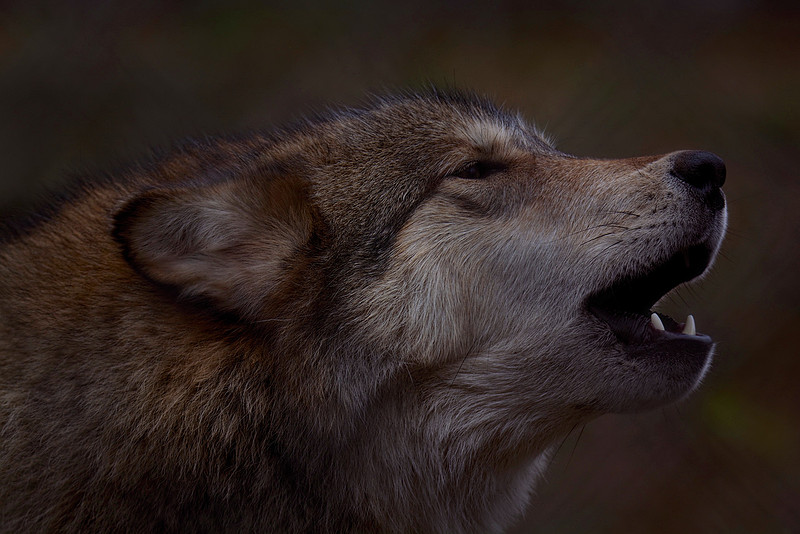
The first step to discovering your niche is to experiment. Don't limit yourself to a specific genre or style right away. Try your hand at different types of photography—landscape, portrait, street, macro, wildlife, and more. Each genre has its own unique challenges and rewards, and experimenting with various styles can help you find what truly resonates with you.
Photography is a constantly evolving field, with new techniques, technologies, and trends emerging regularly. Invest time in learning and improving your skills. Take online courses, attend workshops, read books, and watch tutorials. The more you learn, the more you can experiment and refine your craft. This continuous learning process will keep you engaged and inspired.
Think about what subjects or themes genuinely excite you. Are you drawn to the intricate details of nature? Do you love capturing the spontaneity of candid moments? Follow your passions and see where they lead you. Your enthusiasm for your subject matter will come through in your work and help you connect more deeply with your photography.
Photography can sometimes feel like a solitary pursuit, but it doesn't have to be. Join a community of fellow photographers where you can share your work, get feedback, and gain inspiration. Whether it's a local photography club, an online forum, or social media groups, being part of a community can provide support, motivation, and new perspectives.
Challenge yourself with specific projects or themes. For instance, embark on a 365-day photo challenge, where you take and post one photo every day for a year. Or, pick a theme for a month and focus solely on that. These challenges can push you out of your comfort zone, spark creativity, and help you discover what you enjoy most.
Take time to review your work periodically. Reflect on what you've created and how you've grown as a photographer. Look for patterns or recurring themes in your photos that you might not have noticed before. This reflection can provide valuable insights into your preferences and help you identify a niche that suits you.
Finding your niche in photography is a journey, not a destination. It's important to stay persistent and keep creating, even when you feel stuck or uninspired. Every photo you take brings you one step closer to discovering your unique voice and style.
Inspiration can come from anywhere. Visit art galleries, read photography magazines, follow other photographers, or take walks in nature. Keep an open mind and allow yourself to be inspired by the world around you. Sometimes, a spark of inspiration is all you need to reignite your passion and creativity.
The possibilities with photography are indeed endless. While finding your niche might take time, the journey itself is a rewarding and enriching experience. Keep experimenting, learning, and creating. Follow your passions, embrace challenges, and stay connected with a community. With persistence and dedication, you'll eventually discover the niche that feels like home, and your photographic journey will become even more fulfilling.
